August 26, 2026
Why Your Child's Meltdown Is a Message (and How Storytime Can Help Decode It)
A meltdown is not proof that your child is spoiled, defiant, or trying to control you. It is not a character flaw waiting for stricter discipline. It is a message. Sometimes the…
A meltdown is not proof that your child is spoiled, defiant, or trying to control you. It is not a character flaw waiting for stricter discipline.
It is a message.
Sometimes the message is loud, screaming, sobbing, kicking, or throwing. Sometimes it is quieter: a rigid little body, a blank stare, sudden silence, or the aching refusal to move. Beneath the behavior, your child may be saying, This is too much. I don’t know what to do with what I’m feeling. Please help me find my way back.
That does not make every behavior safe or acceptable. It does mean there is more to understand, however.
What your child’s meltdown may be trying to tell you
Children do not always have the words for disappointment, sensory overload, fear, shame, jealousy, or exhaustion. Their bodies often speak first.
A meltdown may be communicating:
- “I’m overwhelmed.”
- “I’m tired, hungry, or overstimulated.”
- “The change happened too quickly.”
- “I need help, but I don’t know how to ask.”
- “I feel powerless.”
- “I’m scared of getting something wrong.”
- “I need connection before I can cooperate.”
A child’s capacity can become especially narrow after a long day of transitions, noise, social demands, and small frustrations. The final trigger may appear insignificant, a missing sock, the wrong cup, time to leave the playground, but the emotional load may have been building for hours.
The sock is not always the whole story.
When you begin looking beneath the behavior, you can respond to the need without excusing harmful actions. You can hold two truths at once: Your feelings are welcome here, and I will keep everyone safe.
That middle ground matters.
What to do during the storm
During a full meltdown, reasoning usually has very little room to enter. Your child may not be able to process a long explanation, answer a series of questions, or remember a lesson about self-control. Their emotional world has become sharp and frantic, and even ordinary words may feel like more pressure.
Start with your own body.
Take one slow breath. Lower your voice. Make your movements steady. If it is safe and welcome, come down to your child’s level and offer simple words:
- “You’re safe.”
- “I’m here.”
- “This is hard.”
- “I won’t let you hurt yourself or anyone else.”
- “We can talk when your body feels calmer.”
You do not need to solve the entire problem in that moment. Presence comes first.
Try to reduce stimulation if possible. Move away from bright lights, crowded spaces, or unnecessary conversation. Give your child room without making them feel abandoned. Some children need closeness; others need a little physical space with a trusted adult nearby.
Validate the feeling, not unsafe behavior. You might say, “You are furious that playtime is over,” while calmly blocking a hit or moving an object out of reach. The goal is not to make the feeling disappear. The goal is to help your child survive the wave without adding shame to it.
Later, when everyone is calmer, you can look for the message together.
Why storytime can help
Storytime cannot prevent every meltdown, and it should never be treated as a quick fix. A book will not replace rest, sensory support, predictable routines, or professional guidance when those are needed.
But stories can become a gentle companion.
When you read about a character who feels left out, worried, jealous, embarrassed, or angry, your child can explore difficult emotions from a safe distance. It may feel easier to talk about Ellie’s feelings or a fairy’s fear than to explain what happened inside their own chest that afternoon.
Stories give feelings faces, colors, actions, and names.
They also offer something children often need during emotional growth: repetition without pressure. You can return to the same page many times, noticing the character’s expression, body, choices, and needs. Over time, your child begins to build an inner library of emotional language and possible responses.
A story may quietly teach:
- “This feeling has a name.”
- “Other people feel this way too.”
- “A difficult moment does not make me bad.”
- “I can ask for help.”
- “There may be more than one next step.”
That is especially valuable when you are looking for gentle books for complex emotions, books that do not flatten grief, anger, fear, or family change into a tidy lesson.
Use books to notice, not interrogate
The most helpful storytime conversations are usually soft and spacious. You do not have to turn every book into a lesson or ask your child to explain themselves.
Instead, pause and notice:
- “Her face looks tight. I wonder what she might be feeling.”
- “His body is hiding. Maybe he needs a quiet place.”
- “What happened just before she became upset?”
- “I wonder what would help him feel safe.”
- “Have you ever felt a little like that?”
Give your child permission not to answer. They may point, change the subject, or simply listen. That is still participation.
Avoid asking, “Is this what you did today?” in a way that feels like an investigation. A child who feels cornered may close the door completely. Let the story be a window rather than a mirror held too close.
You can offer a connection gently: “This reminds me of how hard it was to leave the park yesterday.” Then stop. Let your child decide whether to step toward the memory.
Choosing stories that support self-worth
Some children experience meltdowns because frustration quickly turns into shame. They make one mistake and decide, I’m bad at everything. They lose a game and feel as though they have lost their place in the world. They need stories that separate behavior from identity.
This is where books for self-worth kids can offer meaningful support. Look for characters who are allowed to grow slowly, repair mistakes, ask for help, and remain lovable while they are still learning.
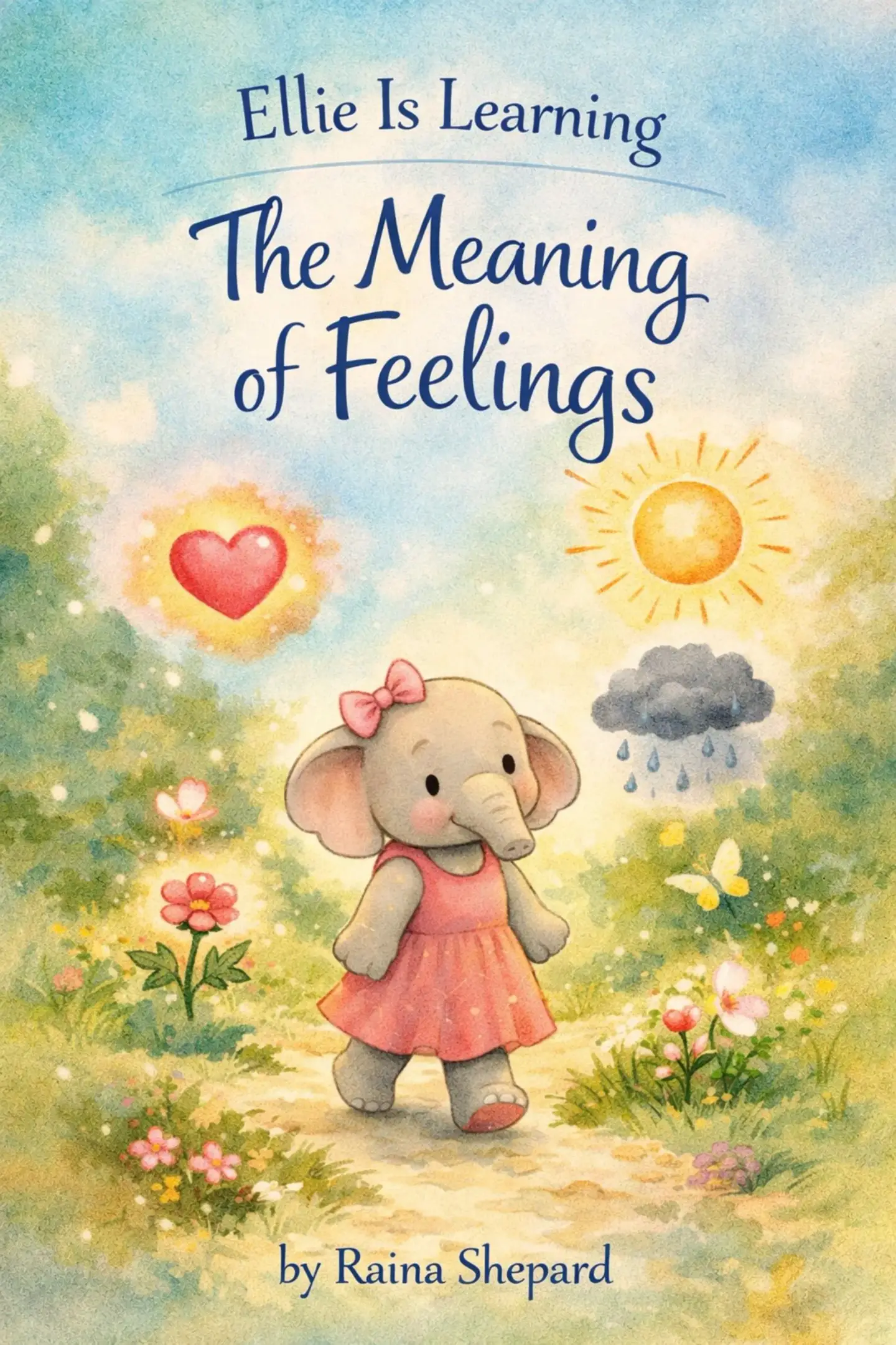
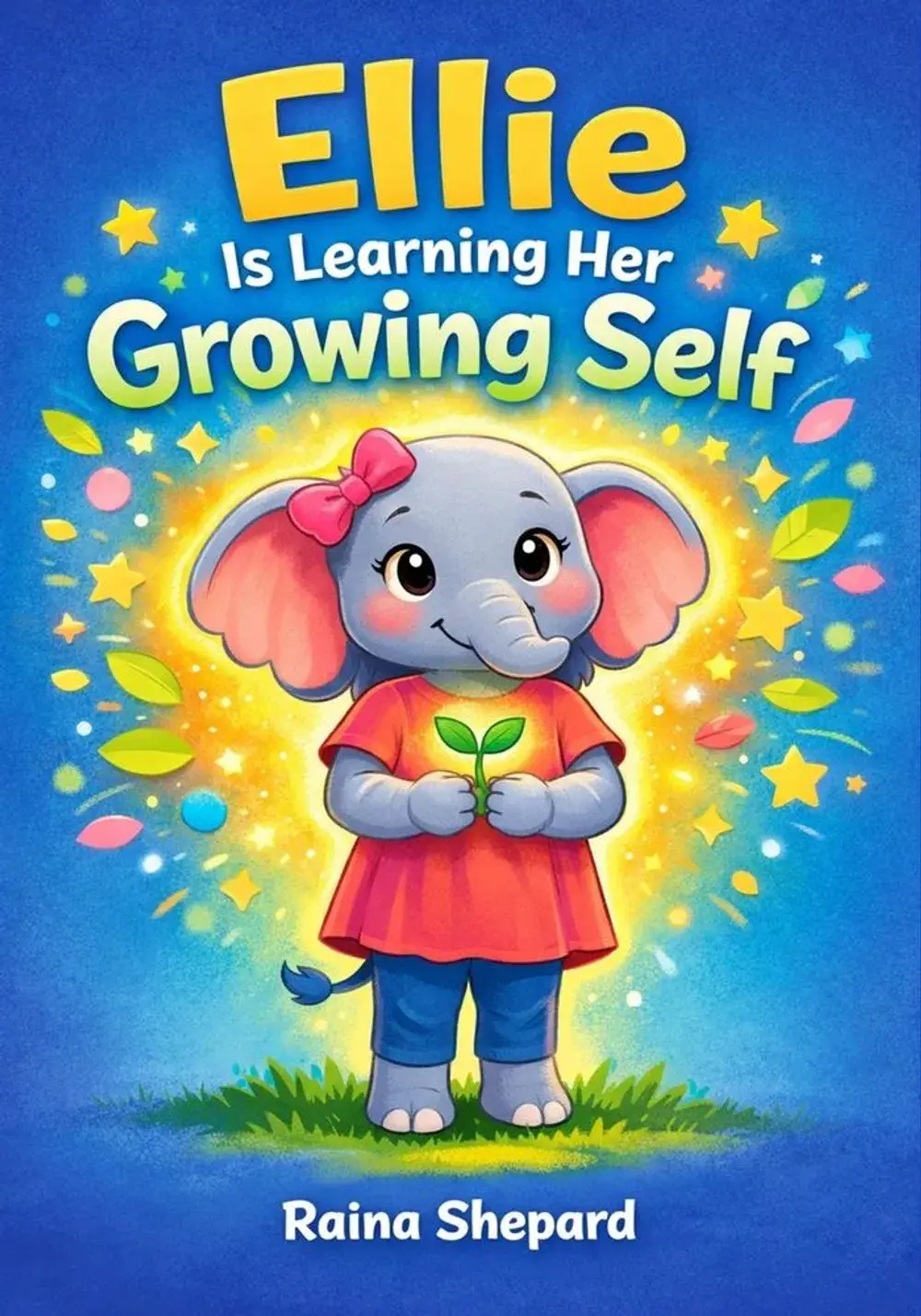
In the Ellie the Elephant series, titles such as Ellie Is Learning the Meaning of Feelings and Ellie Is Learning Her Growing Self create openings to talk about emotional awareness and developing self-worth. Ellie’s world can help a child understand that feelings are real, changing, and worthy of care.


For social challenges, Ellie Is Learning About Rumors can support conversations about friendship, belonging, and sincere communication. These are often the quieter emotions beneath a child’s visible anger: hurt, uncertainty, loneliness, and the fear of being misunderstood.

The Fairy Glitterwhisp series offers another doorway. In The Fairy Who Carried a Small Light, gentle magic and emotional warmth create space to discuss empathy, courage, comfort, and the small inner lights children carry through difficult moments.

You do not need to announce the lesson. Let the story settle.
Create a small “feelings library” ritual
For parents, storytime might happen before bed, after school, or during a quiet weekend morning. For educators, it might become part of circle time or a calm transition between activities.
Keep it predictable. A familiar chair, a soft blanket, a few selected books, and an unhurried voice can help a child’s nervous system recognize safety.
You might create three simple baskets:
- Feelings I’m learning to name
- Problems I’m learning to solve
- Stories that help me feel safe
Invite your child to choose, but do not insist on a book about emotions when they are already flooded. Read these stories during calm seasons, when the brain has enough space to absorb them.
After reading, practice one small phrase or action:
- “I need a break.”
- “I’m disappointed.”
- “Please stay with me.”
- “Can we try again?”
- “My body feels too busy.”
Then use the phrase in ordinary moments, not only during crises. Skills become easier to reach when they have been practiced gently and often.
When to seek additional support
Meltdowns are part of many children’s development, but frequent, prolonged, escalating, or dangerous episodes deserve attention. Consider speaking with your child’s pediatrician, school counselor, or a qualified mental health professional if meltdowns regularly involve self-injury, serious aggression, extreme anxiety, withdrawal, or sensory distress that interferes with daily life.
Seeking help does not mean you have failed. It means you are listening carefully.
You can also explore Raina Shepard’s compassionate children’s books for stories that support emotional growth, empathy, and self-worth.
Your child’s meltdown may still be difficult. You may still feel exhausted, embarrassed, or unsure of what to do next. Understanding the message will not make every moment easy.
But it can change the question.
Instead of only asking, How do I stop this behavior? you may begin asking, What is my child carrying right now, and how can I help them carry it safely?
Sometimes the answer will be rest. Sometimes connection. Sometimes a boundary, a quieter room, or a story read slowly beside them.
The storm may return. However, with patience, shared language, and steady presence, your child can begin to learn that big feelings are not the end of the story.