August 4, 2026
Why Telling Kids to "Calm Down" Fails (And What to Try Instead)
There is a quiet, aching exhaustion that settles over a room when a child’s emotions overflow into a frantic storm. You have likely been there, standing in the middle of scattered…

There is a quiet, aching exhaustion that settles over a room when a child’s emotions overflow into a frantic storm. You have likely been there, standing in the middle of scattered toys or grocery aisles, feeling the heavy gaze of onlookers as your child screams, trembles, or shuts down entirely. In that breathless moment, the words rise up in your own throat, familiar and automatic: "Just calm down."
We say it because we crave peace. We say it because we want the crying to stop, the tight knot in our own chest to loosen, and the world to return to its predictable orbit. But if you pause and listen closely to the echo of those words, you begin to realize a deeper truth: telling a child to calm down is an impossible command disguised as helpful advice. It is a phrase built on the common misconception that emotional regulation is simply a matter of choice, as easy as flipping a switch in a darkened room.
However, emotional mastery does not work through sheer willpower, especially not for a young mind whose nervous system is caught in the grip of a fierce tempest. When we demand immediate tranquility from someone in deep distress, we are asking the impossible.
The Anatomy of an Overwhelmed Brain
To understand why "calm down" fails every single time, we must look past the noisy behavior and into the quiet biology of the child's mind. When frustration, fear, or anger surges, the child's survival brain takes the steering wheel. Cortisol and adrenaline flood their system, heart rates spike, muscles grow tense, and the prefrontal cortex: the sophisticated center responsible for reasoning, impulse control, and logic: goes completely offline.
In that acute state of dysregulation, your child is not being defiant; they are terrified, overwhelmed, and physiologically unequipped to process instructions. Asking a dysregulated brain to "calm down" is the exact equivalent of standing at the bottom of a steep cliff and shouting at someone falling to simply land gently. They cannot hear the nuance of your logic because their auditory processing is clouded by internal panic.
When we rely on quick-fix commands, we inadvertently communicate that their pain is an inconvenience. The child absorbs a sharp, unspoken message: my feelings are too big, too loud, and too wrong to be welcomed here. And so, instead of finding peace, they learn vigilance, suppression, and a quiet, aching shame.
Moving from Control to Presence
Healing: whether for a small child navigating a playground conflict or an adult unlearning decades of emotional repression: does not happen through authoritarian control. It happens through the steady, grounding presence of a companion who is willing to sit in the messy middle ground of human emotion.
You cannot force stillness onto a storm. You can only become the shore against which the waves break without fear of judgment.
When your child or student is spinning in frustration, the most radical shift you can make is to drop the demand for instant compliance and reach for connection instead. Notice the subtle physical cues of their distress: the tight fists, the shallow breathing, the trembling lower lip. Contrast these loud, obvious outbursts with the quieter, subtler withdrawals that happen when children swallow their feelings just to keep the peace around them. Both require the same gentle medicine: co-regulation.
Co-regulation is the quiet art of lending your calm nervous system to someone whose own system is fractured. It is a slow, rhythmic unspooling of tension. Instead of commanding silence, you offer anchoring words that validate their internal reality without feeding the fire.
Story as a Mirror: Finding Safety in Narrative
Long before children can articulate the heavy, sharp sensations in their chests, they recognize them in stories. This is why narrative literature is such a powerful alternative to behavioral commands. When you read together during moments of quiet calm, you are planting seeds of emotional literacy that will bloom when the storms of life arrive.
For parents and educators seeking meaningful tools, teaching children empathy books offer a gentle bridge between abstract feelings and tangible understanding. When a child sees a beloved character stumble, feel afraid, and find their footing again, something profound shifts inside them. They realize they are not broken; they are simply human.
In crafting the Ellie the Elephant series, my heart has always rested with the idea that children need companions who walk beside them through vulnerability rather than lecturing from above. In Ellie and the Whispering Woods, Ellie discovers that fear is not an enemy to be banished, but a visitor that needs to be acknowledged and held with kindness.

Similarly, magical realism can unlock doors that strict instruction manuals leave firmly bolted shut. Carefully chosen books for self-worth kids help children reclaim their intrinsic value when the world makes them feel small or unseen. In stories like Fairy Glitterwhisp in the Land of Feelingwood, magical adventures become a safe vessel for exploring empathy, emotional growth, and the quiet beauty of belonging.
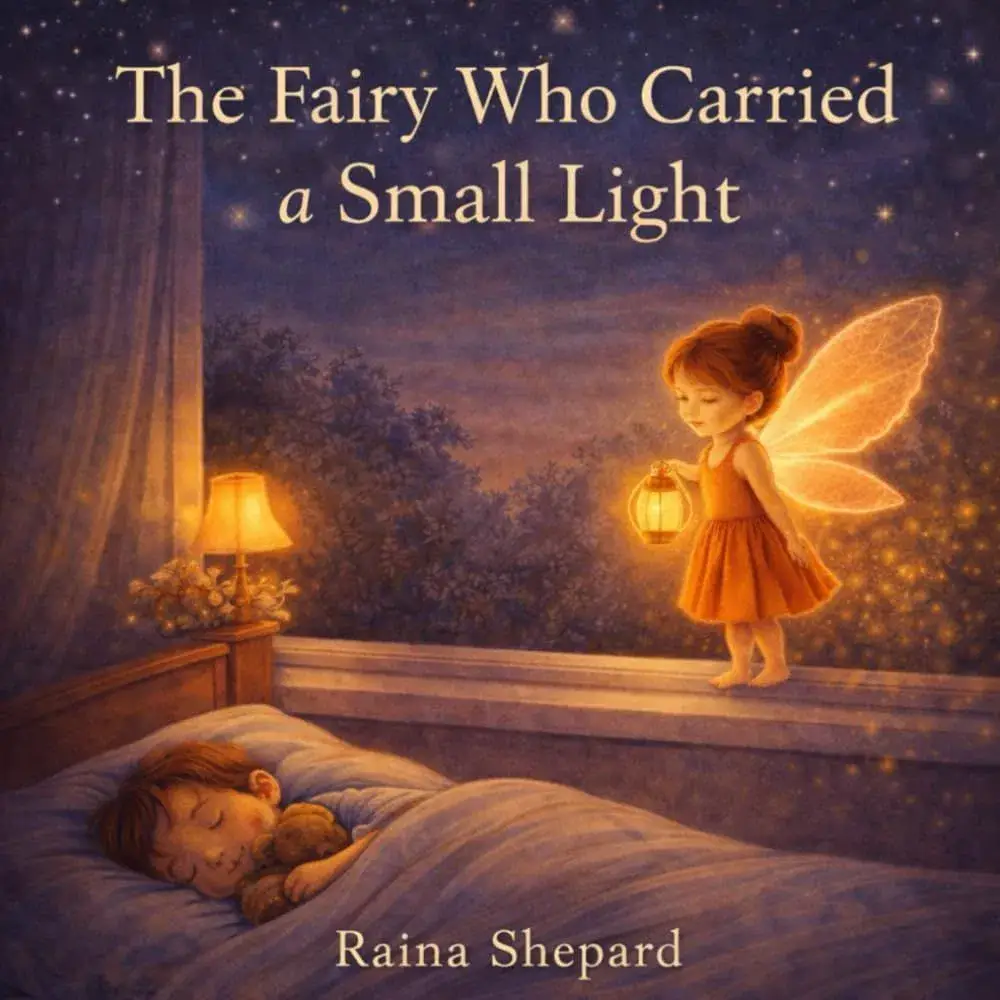
When you share these stories, you provide children with a vocabulary for their inner world. You teach them that emotions are weather patterns: they arrive, they rage, and eventually, they pass.
What to Try Instead: Phrases That Heal
If "calm down" is retired from your vocabulary, what should take its place? Here are a few gentle, grounding alternatives that invite cooperation through connection:
- "I’m right here with you." These six words are an anchor in an ocean of panic. They remind the child’s nervous system that they are not isolated in their suffering.
- "Your body looks so angry right now. Let’s help it feel safe." This phrasing shifts the focus from bad behavior to physical sensation, making the emotion manageable.
- "Let’s take a deep breath together." Notice the inclusion of the word together. You are not asking them to regulate alone; you are partnering with them in the process.
- "Tell me what’s happening inside." This opens a door for storytelling and introspection, inviting them to step out of the emotional fire and observe it safely.

Embracing the Seasons of Growth
Healing and emotional growth do not follow a straight, predictable line. There will be days when your patience frays, when the old habits resurface, and when the shouting matches return. On those evenings, give yourself the very same grace you offer your child.
Remember that every emotional storm is an invitation to practice presence. By letting go of the desperate urge to fix, control, or quiet our children instantly, we teach them something infinitely more enduring: that their feelings are safe to feel, their minds are worthy of patience, and they are never alone in the dark.

Explore more gentle resources, stories, and guides designed for the wounded and the searching across our complete book collection.