September 20, 2026
The Whispering Woods Within: Teaching Kids to Trust Their Inner Voice
Healing does not mean becoming fearless. That is one of the first stories we need to set down. You do not teach a child to trust their inner voice by convincing them that nothing…
Healing does not mean becoming fearless.
That is one of the first stories we need to set down.
You do not teach a child to trust their inner voice by convincing them that nothing frightening will happen. You teach them by helping them notice what they feel, name what they need, and discover that they can meet difficult moments with support, care, and courage.
Fear may still flutter in their stomach. Their thoughts may still become loud and frantic. Their hands may still grow warm and shaky before a new experience.
But underneath all of that, something quieter can begin to grow.
Self-trust.
It is the small, steady knowing that says, Something feels uncomfortable. I can pay attention. Or, I made a mistake. I can learn from it. Or even, I do not have to make everyone happy to be worthy of love.
That inner voice is not always dramatic. Often, it is soft. It sounds less like a command and more like a whisper beneath the noise.
What Does It Mean for a Child to Trust Their Inner Voice?
For a child, an inner voice may appear as a feeling, a body signal, a thought, or a simple preference.
“I don’t want to go yet.”
“That game doesn’t feel fun anymore.”
“I think I need help.”
“I want to try it myself.”
These statements can be easy to dismiss, especially when the day is busy and the adult is tired. You may be tempted to say, “You’re fine,” “Don’t be nervous,” or “Just try it.” Sometimes you may even override your child’s hesitation because you want to protect them from disappointment, embarrassment, or delay.
It makes sense. You want their world to feel safe.
However, safety is not the same as never feeling uncertain. Real safety also includes knowing that your feelings matter, that your boundaries will be respected, and that you can turn toward a trusted adult when the path becomes confusing.
The American Academy of Pediatrics describes healthy self-esteem as something shaped not only by a child’s thoughts about themselves, but also by how significant adults treat them. Security, belonging, trust, meaningful choices, encouragement, and the ability to learn from mistakes all help build a child’s sense of self-worth. You can read more in their guide to building healthy self-esteem in children.
Children listen inward more easily when they have first been listened to outwardly.
How Stories Help Children Hear What Is Already Inside Them
A story gives children room.
It lets them watch a character feel scared without having to announce, “I am scared.” It lets them explore a difficult choice from the soft distance of imagination. It offers language for emotions that may otherwise remain sharp, tangled, or hidden.
This is one reason books for self-worth kids can become more than bedtime entertainment. A gentle story can act as a mirror, a companion, and sometimes a small lantern.
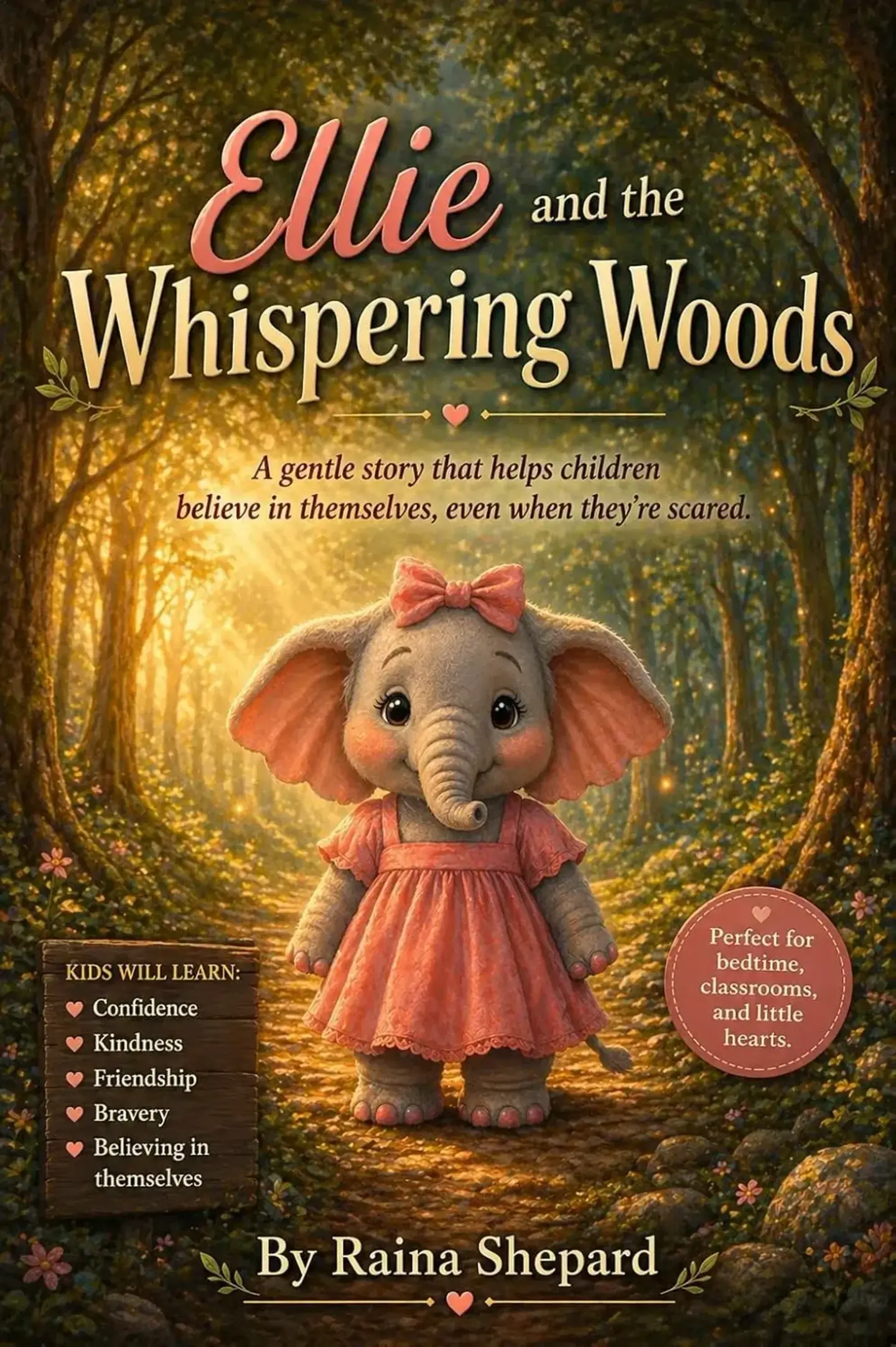
In Ellie and the Whispering Woods, Ellie enters a sunlit world of forest paths, uncertainty, and discovery. The story is centered on helping children believe in themselves even when they feel scared. That matters because children do not need stories that pretend fear is foolish. They need stories that show fear can be present without becoming the whole truth.
You can feel afraid and still be brave.
You can need help and still be growing.
You can pause before moving forward and still be making progress.
These are quiet lessons, but they can settle deeply.
Four Gentle Ways to Help a Child Build Self-Trust
1. Ask before you advise
When your child comes to you with a problem, your first instinct may be to solve it. You may want to explain, reassure, correct, and offer a plan before the feeling has even had time to breathe.
Try beginning with curiosity instead.
- “What do you think happened?”
- “What did you notice inside?”
- “What would feel helpful right now?”
- “Do you want ideas, or do you want me to listen?”
These questions do not leave a child alone with a problem. They show your child that their thoughts are worth exploring.
You are not saying they must know the answer immediately. You are creating a pause in which their own perspective can appear.
2. Take body signals seriously
Children often notice discomfort in their bodies before they can explain it with words. A tight throat, aching belly, prickly skin, clenched hands, or a sudden wish to move away may be their first language of uncertainty.
You can help by offering simple, non-alarming language:
“Your tummy feels tight. Is something making you nervous?”
“You moved back when that happened. Did it feel uncomfortable?”
“Your body may be telling you that you need a pause.”
This does not mean every uncomfortable feeling signals danger. It means every feeling deserves attention before it is judged.
Teach your child that they can step away from a situation that feels wrong, ask for help, and tell a trusted adult what happened. Their “no” matters. Their questions matter. Their uneasiness is not an inconvenience.
3. Offer choices within safe limits
Self-trust grows through practice.
You do not have to hand a child complete control of their world. In fact, too much freedom can feel just as overwhelming as too little. Instead, offer small, age-appropriate choices:
“Would you like the blue cup or the green one?”
“Do you want to read before pajamas or after?”
“Would you like to try first, or would you like me nearby?”
“Should we solve this together, or would you like one minute to think?”
These choices help children experience their own judgment. They begin to notice preference, consequence, effort, and repair.
The goal is not to ensure that every choice works perfectly. The goal is to show them that a choice can be adjusted, revisited, and learned from.
What Educators Can Do in the Classroom
Teachers and school staff can create small openings for inner listening throughout the day.
Invite students to reflect after a disagreement. Ask what they noticed, what they needed, and what they might try next time. Allow structured choices in assignments, partners, reading selections, or creative projects. When a student offers an answer, respond to the thinking behind it, not only whether it is correct.
Specific encouragement is especially powerful.
Instead of saying, “You’re so smart,” try:
“You stayed with that problem even when it became frustrating.”
“You noticed that your classmate needed space.”
“You changed your plan when the first idea did not work.”
This kind of feedback gives children a clearer understanding of who they are becoming: thoughtful, persistent, observant, kind, capable.
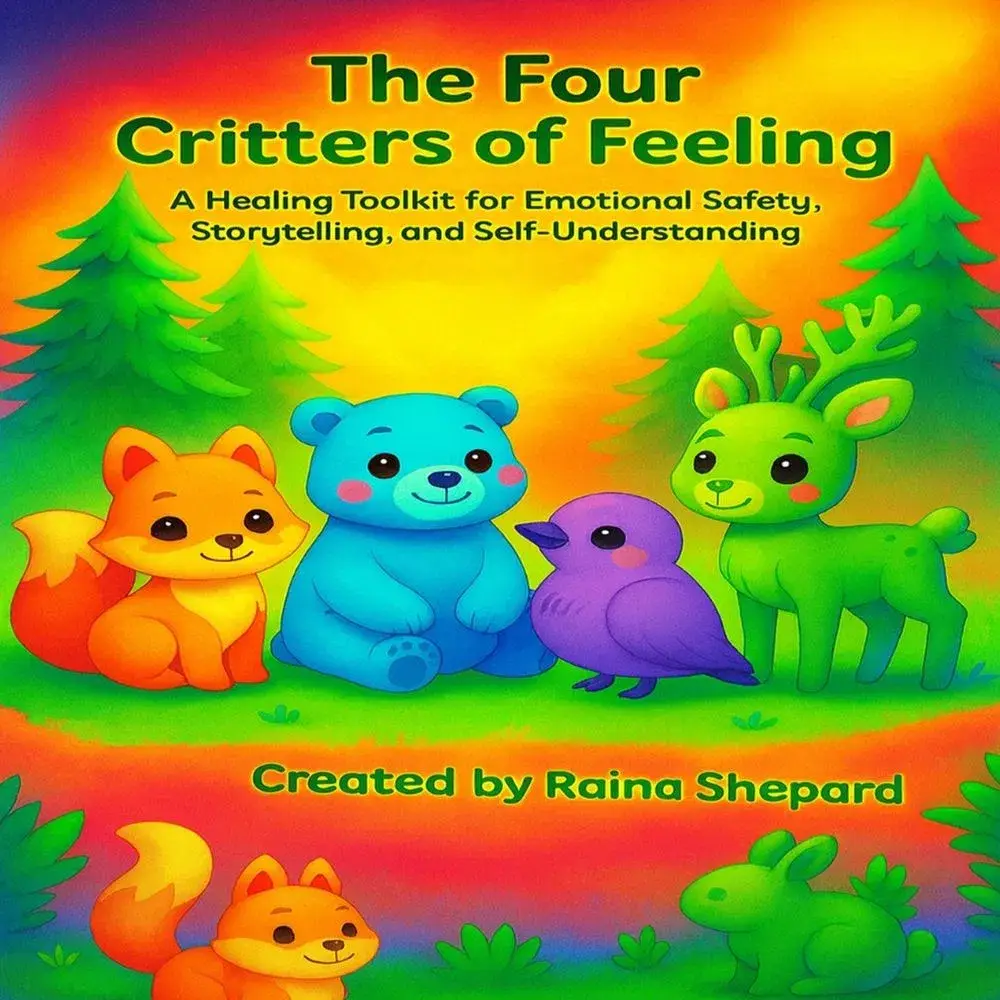
A classroom emotional resource such as The Four Critters of Feeling can also support conversations about emotional safety, storytelling, and self-understanding. Children do not all enter a classroom with the same vocabulary for feelings. Stories and visual tools can help build a shared language without forcing every child to speak before they are ready.
The Part We Often Miss: Adults Need This, Too
Perhaps you are reading this as a parent, teacher, or caregiver.
Perhaps you are also reading it as the adult who was never taught to listen inward.
You may have learned early to ignore the tightness in your chest. To stay agreeable. To explain yourself before anyone asked. To make room for everyone else’s feelings while treating your own as excessive, inconvenient, or dangerous.
You may be very good at vigilance, explanation, and constant adjustment.
You may know how to anticipate a mood, smooth over conflict, and keep moving when something inside you is aching.
That is not a character flaw. Often, it is an old form of protection.
But the strategies that helped you survive one season may not be the same strategies that help you feel fully alive in the next one.
When you teach a child to trust their inner voice, you may find yourself meeting your own quiet voice again. The one that says you are tired. The one that wants a boundary. The one that does not have a polished explanation, only a deep and steady sense that something must change.
You do not have to become perfectly healed before you offer a child emotional safety. Children do not need flawless adults. They need adults who can repair, reflect, apologize, and keep learning.
You can say:
“I answered too quickly. I want to listen again.”
“I was frustrated, but that was not your fault.”
“I am still learning how to notice what I need.”
“I believe you.”
Those words can become part of a child’s inner language. They can also become part of yours.

How to Begin Tonight
You do not need a complicated ritual.
You might read a story, turn off the bright light, and ask one gentle question:
“What did Ellie notice inside herself?”
Then wait.
You could ask:
“Was there a time today when your body told you to slow down?”
“What was one choice you felt proud of?”
“Did anything feel too big, too fast, or too loud?”
“What do you want your inner voice to remember tomorrow?”
There may be a long silence. That is all right.
The middle ground is often quiet. Trust does not always arrive as confidence. Sometimes it arrives as a pause before a child says, “Actually, I don’t like that.” Sometimes it is the courage to ask for another chance. Sometimes it is the soft relief of knowing that an adult will listen without turning away.
And if you are the adult learning this alongside them, be gentle with yourself. You are not behind. You are entering the woods with the tools you have, noticing the path one step at a time.
Your child’s inner voice may be small today.
So may yours.
Still, both can grow stronger through attention, kindness, and presence, and sometimes the most important healing begins with learning to listen before the whisper has to become a shout.
For more emotionally resonant stories and resources, explore the Ellie the Elephant books, browse the Raina Shepard shop, or visit the blog for additional support on emotions, self-worth, and healing.