August 26, 2026
The Books That Heal the Wounded and the Searching: A Reading Guide for Every Season
Healing does not always look like becoming a completely different person. Sometimes, it looks like finding language for what happened. Sometimes, it looks like sitting quietly…
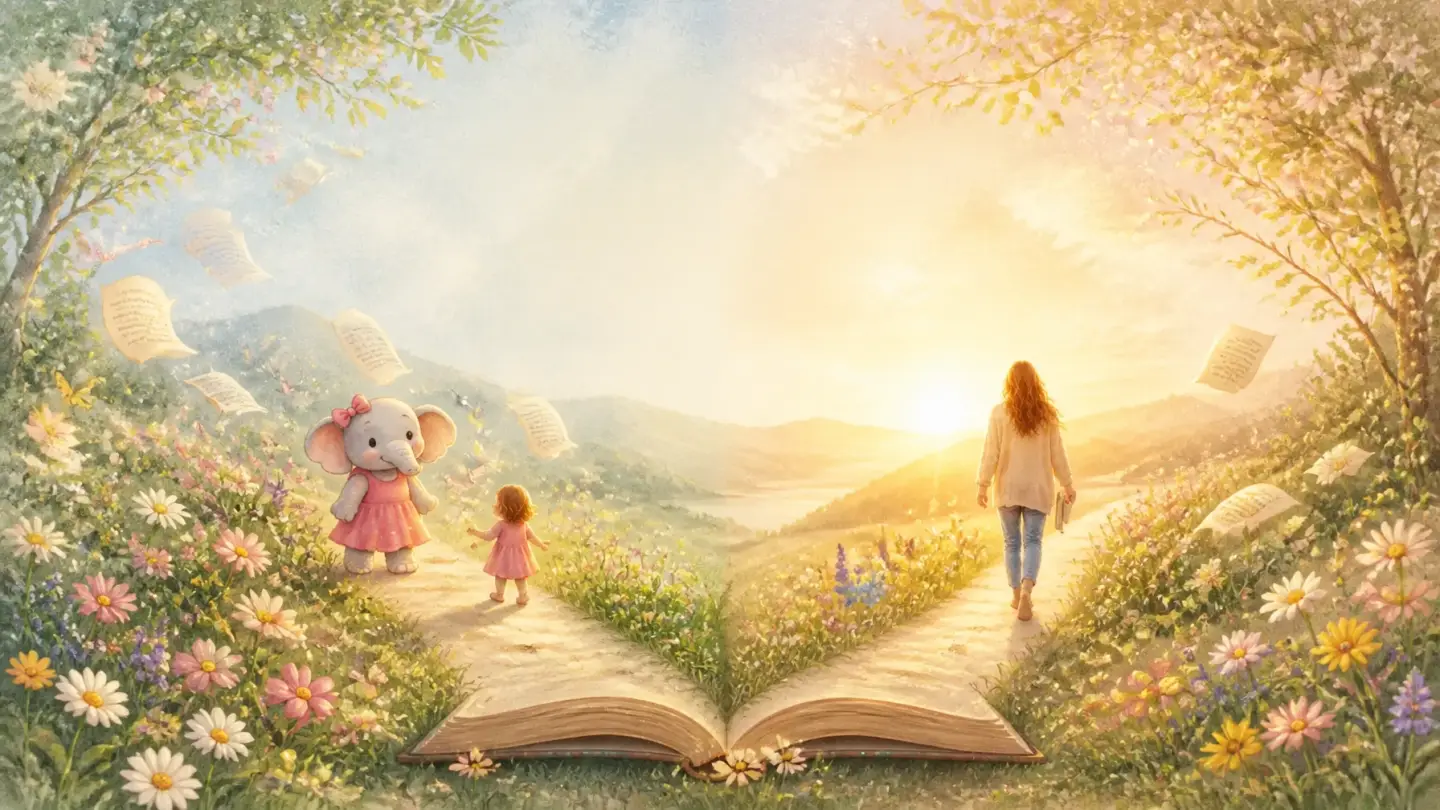
Healing does not always look like becoming a completely different person.
Sometimes, it looks like finding language for what happened. Sometimes, it looks like sitting quietly with a feeling you used to avoid, or realizing that the part of you that feels lost is still listening for a way home. A book cannot erase grief, trauma, loneliness, or fear. It cannot replace safety, supportive relationships, or professional care when you need them.
But a good book can become a companion.
It can sit beside you in the sharp, frantic hours. It can place a gentle hand over the aching places and say, You are not the only one who has felt this. And sometimes, that small recognition is where a new season begins.
Whether you are choosing an emotional healing book for yourself, a story for a child, or a novel to help you process a difficult chapter from a safe distance, the right pages can offer presence, imagination, and a little more room to breathe.
There Is No Single “Right” Book for Healing
You may have heard that healing means facing everything head-on.
That is not always true.
Some seasons call for information. You want to understand trauma, survival patterns, attachment, boundaries, or the ways your body responds to stress. Other seasons call for softness. You may not be ready for a detailed explanation of your pain; you may need a story about friendship, belonging, or a small light held carefully in the dark.
Both needs are valid.
The book that helps you today may not be the book that helps you six months from now. Your reading life may move through curiosity, resistance, grief, hope, and quiet integration, often returning to the same questions in different forms. Healing is rarely a straight road. It is more like a landscape with hills, resting places, unexpected turns, and sunlight arriving gradually through the trees.
For the Child Who Needs Words for Big Feelings
Children often feel more than they can explain.
A child may become irritable instead of saying, “I feel frightened.” They may withdraw instead of saying, “I don’t know where I belong.” They may have a meltdown when what they truly need is reassurance, a predictable routine, or help naming the storm inside them.
Stories can give children a softer entrance into those conversations.
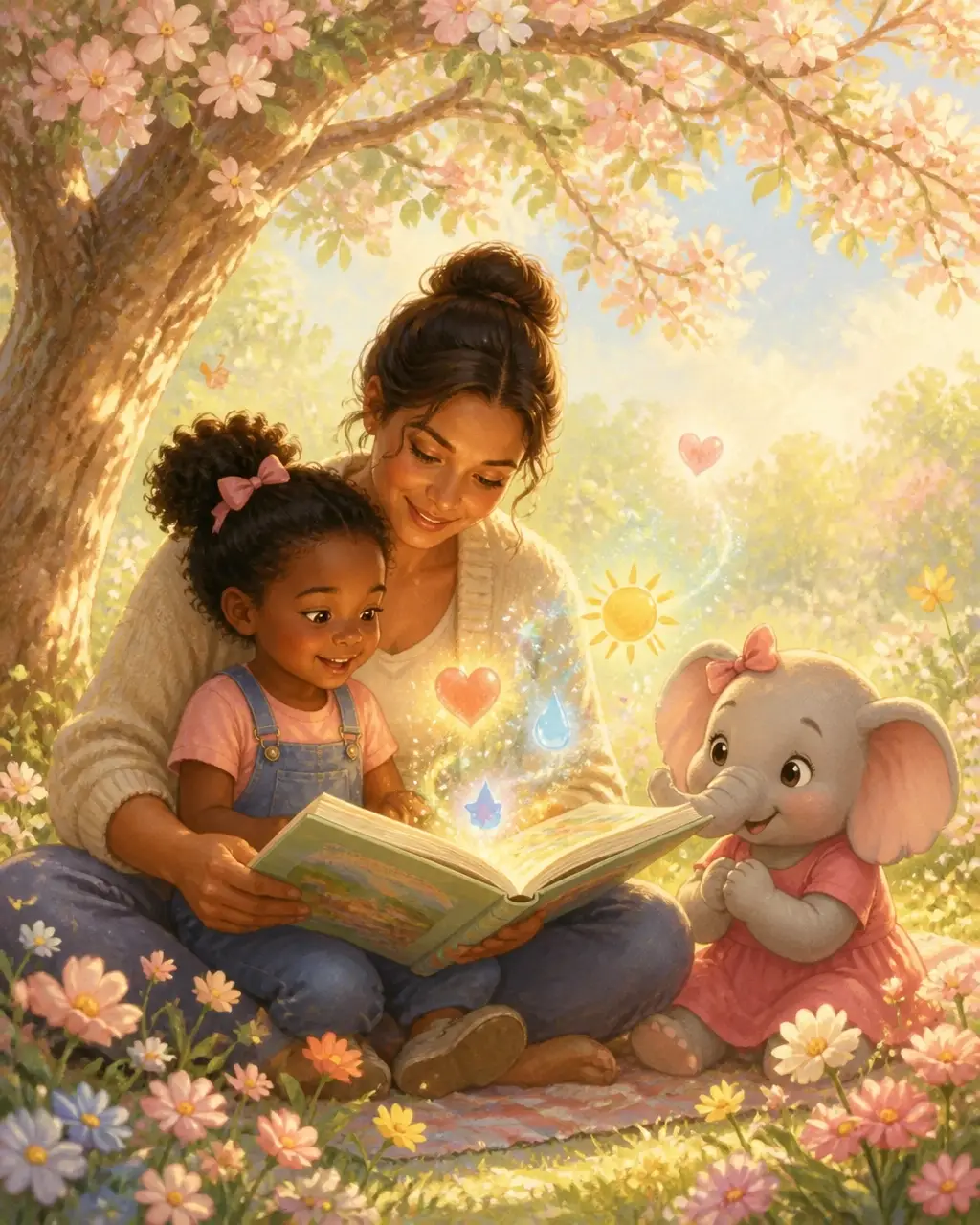
The Ellie the Elephant series is designed for these tender moments. In Ellie Is Learning the Meaning of Safe Touch, children are introduced to body safety, personal choice, and the comfort of being heard. Ellie’s Farmyard Surprise opens space for curiosity, friendship, and delight, while Ellie and the Whispering Woods invites young readers to listen inward and notice the voices that bring comfort.
These books do not demand that a child explain everything perfectly. They offer images, questions, and characters who make emotional language feel less intimidating.
You can read slowly. You can pause at a picture and ask:
- “Have you ever felt something like Ellie?”
- “What do you think her heart is trying to say?”
- “Who could help her feel safe?”
- “What helps you when your feelings get very big?”
The goal is not to interrogate the child or turn storytime into a lesson. The goal is connection: listening, noticing, and letting the child discover that feelings can be named without being punished.
You can browse the children’s books and choose a story based on the question or season your child is experiencing.
For the Imaginative Child Who Needs Hope and Belonging
Some children reach for stories because reality feels too loud.
A magical world can give them enough distance to explore fear, kindness, conflict, and courage without feeling exposed. Fantasy does not make emotional growth less real. Often, it gives children the symbols they need to understand what ordinary language cannot yet hold.
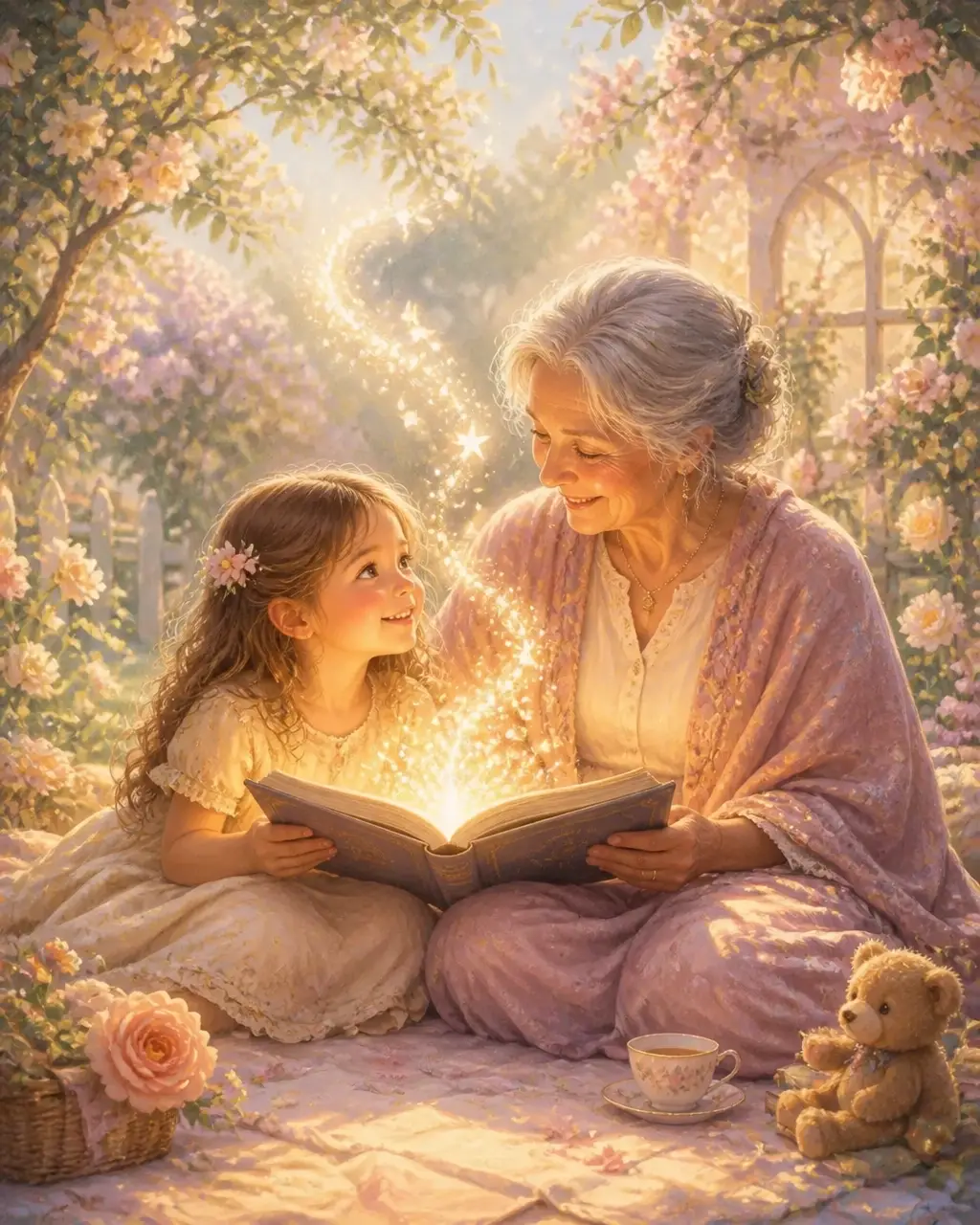
In Fairy Glitterwhisp in the Land of Feelingwood, friendship, feelings, and belonging unfold through a bright, searching world. The story offers wonder without losing emotional honesty. A child can encounter uncertainty, empathy, and growth through a character who is also learning how to move through the world with care.
This is one reason reading together matters so much. You do not have to explain every message immediately. You can let the story settle. You can ask what your child noticed, what felt surprising, or which character they would want beside them on an adventure.
Sometimes a child will answer directly.
Sometimes they will talk about the fairy while quietly describing themselves.
That is still communication.
For the Adult Trying to Understand the Pattern
There is a particular exhaustion that comes from repeating what you promised yourself you would never repeat.
You may notice yourself overexplaining, people-pleasing, withdrawing, returning to painful relationships, or working constantly to keep everyone else comfortable. The pattern may feel obvious from the outside but tangled and immovable from within. You understand what you should do, yet your nervous system seems to reach for what is familiar before you can choose something different.
This is where trauma-informed self-help books can become useful companions.
They may help you understand how survival patterns formed, why certain relationships feel magnetic, and why change can bring grief alongside relief. They can offer reflection prompts, grounding practices, and language for experiences that once felt like personal failure.

Raina Shepard’s healing and self-help collection includes books for readers who are beginning to recognize the cost of abandoning themselves.
- Codependency: Healing the Hard Part explores people-pleasing, power, peace, and the work of returning to your own center.
- Finding Myself Within the Mess offers a compassionate roadmap for understanding survival patterns, emotional wounds, and self-trust.
- Loneliness in a Crowded World speaks to the quiet disconnection that can remain even when your life appears full.
- Still Me: Healing Without Losing Myself holds a question many survivors carry: “Can I change without disappearing?”
These books are not quick fixes. They are invitations to look with compassion rather than accusation.
If you are also exploring widely recommended healing from trauma books, resources such as the Complex Trauma recommended reading list and Psychology Today’s relational trauma recovery reading list may help you find additional perspectives.
Read carefully, however. Trauma material can be illuminating, but it can also bring up flashbacks, numbness, panic, or old grief. You are allowed to stop. You are allowed to skip chapters. You are allowed to choose a gentler book instead.
For the Reader Who Needs a Story, Not an Explanation
Not every wound wants to be analyzed.
Sometimes you have spent years explaining yourself, your childhood, your relationship, your choices, and your pain. You may be tired of frameworks. Tired of lists. Tired of being asked to turn every feeling into a project.
A novel can offer another kind of healing.
You do not have to identify with every character or find a perfect resolution. You can simply witness someone surviving, changing, choosing, losing, or beginning again. Fiction can give your emotions a place to move when direct reflection feels too close.
Raina Shepard’s emotionally deep novels explore recovery, resilience, identity, relationships, and the difficult return to self.
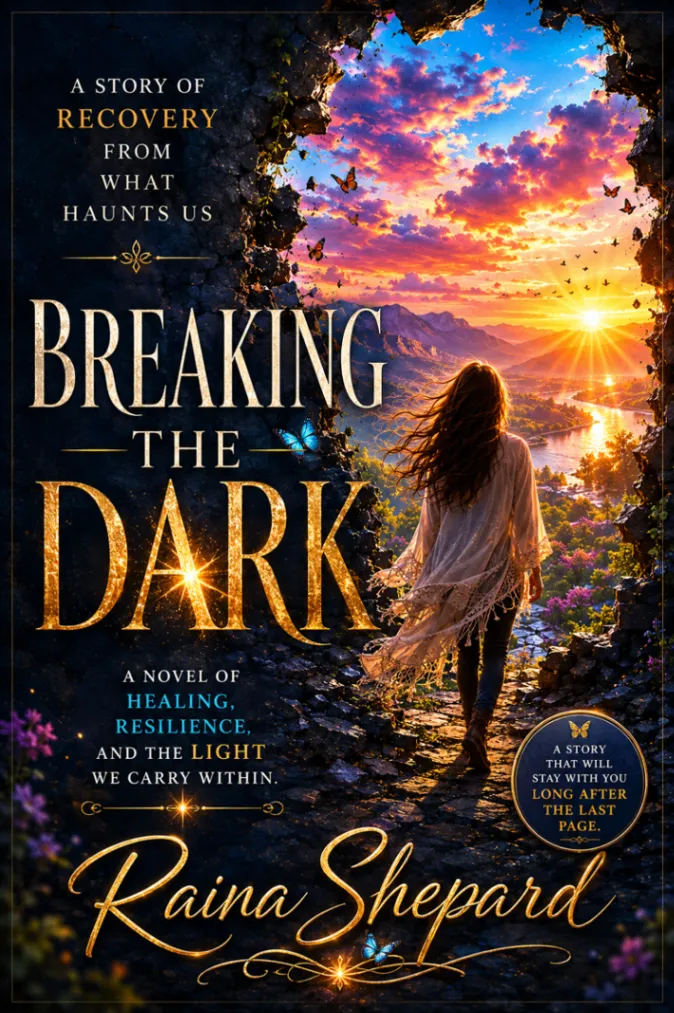
Breaking the Dark centers recovery and the light carried within. Love Without Swords speaks to the woman who is finished losing herself to love. These are stories for the hard seasons: the breaking open, the choosing, and the slow return.
A story may not tell you what to do next.
It may help you feel less alone while you decide.
Choose the Book That Matches Your Season
You do not need to read the most difficult book first.
You might begin with a children’s story because you are caring for a child, or because a younger part of you needs tenderness. You might choose a magical story because you need wonder. You might reach for a self-help guide because understanding feels stabilizing. You might choose a novel because you need to step outside your own life for an hour.
Try asking yourself:
- What do I need most right now: language, comfort, perspective, or hope?
- Do I want practical reflection, emotional distance, or a story to share with someone I love?
- Will this book help me feel more grounded, or am I using it to pressure myself into healing faster?
Then choose one book.
Not five. Not an entire page.
Read a few pages. Notice your breathing, your shoulders, your thoughts, and the feelings that rise quietly beneath the obvious ones. Let the book meet you where you are instead of demanding that you become ready for it.
You can keep a simple reading ritual: a warm drink, a soft light, a notebook nearby. You can underline one sentence, write one question, or close the book and rest. Healing may happen in the reading, but it may also happen in the pause afterward.
The Book Is a Door, Not the Whole House
Books can validate your experience and offer language for what has been difficult to name. They can support emotional literacy, encourage self-compassion, and open conversations between children and caregivers, partners, friends, and your own inner life.
They are powerful.
They are not the whole house.
If you are navigating significant trauma, ongoing danger, severe depression, or thoughts of harming yourself, please reach toward qualified professional support or an emergency resource in your area. A book can walk beside you, but you deserve human care, safety, and support too.
The wounded and the searching are not separate kinds of people. Often, you are both.
One part of you is carrying what happened. Another part is still looking for meaning, tenderness, and a way forward. There may be seasons when you need comfort, seasons when you need truth, and seasons when you need nothing more than a bright story shared with someone you trust.
There is a book for that season.
And there is still time for the next one.
Explore Raina Shepard’s full library, or learn more about why Raina writes.