August 14, 2026
Reclaiming Your Identity: A Gentle Guide to Healing from Complex Trauma as an Adult
Healing does not mean becoming the person you were before trauma. That idea sounds comforting, but it can leave you feeling even more lost. If your childhood, relationships, or…
Healing does not mean becoming the person you were before trauma.
That idea sounds comforting, but it can leave you feeling even more lost. If your childhood, relationships, or adult life required constant vigilance, explanation, and adjustment, there may not be a simple “old you” waiting to be found. You may be learning who you are for the first time, beneath the sharp shame, the frantic overthinking, and the aching need to stay safe.
This is the quieter truth of complex trauma recovery: you are not returning to a former self. You are slowly creating a life where more of you can exist.
Why Complex Trauma Can Blur Your Sense of Self
Complex trauma often develops through repeated or ongoing experiences of harm, neglect, instability, coercion, or emotional danger, especially when those experiences happen in relationships that should have offered safety.
Over time, survival can become your most practiced identity.
You may become the peacemaker, the achiever, the caretaker, the invisible one, or the person who can read every shift in someone else’s voice. These roles may have protected you once. They may have helped you belong, avoid conflict, or receive small moments of approval.
But what protected you then may limit you now.
You might know how everyone else feels but struggle to name your own needs. You might be highly capable yet privately convinced you are failing. You may experience loud emotions such as anger or panic, alongside quieter ones, numbness, uncertainty, emptiness, or the faint grief of not knowing what you want.
That confusion does not mean you have no identity. It may mean your identity was crowded out by survival.
Research on trauma and identity suggests that healing often includes developing a more balanced, coherent understanding of yourself rather than being pulled between rigid versions of who you “should” be. You can read more about this process in this PubMed discussion of trauma, identity, and self-concept.
The Middle Ground of Healing
Many people expect healing to feel like a clear transformation: one breakthrough, one brave decision, one final goodbye.
Often, it feels nothing like that.
Healing can be a tender middle ground where the old patterns are becoming visible, but the new ones are not yet familiar. You may recognize that you have been overgiving, self-abandoning, or choosing unavailable people, yet still feel pulled toward the same dynamics.
You are aware, but not always free.
You may set a boundary and then feel guilty. You may choose rest and hear an inner voice calling you lazy. You may begin to speak honestly and then panic when someone seems disappointed.
This is not proof that you are doing healing incorrectly. It is the nervous system learning that awareness can exist without immediate danger. It is the slow development of choice.
A trauma-informed approach places safety, trust, collaboration, and empowerment at the center of recovery. These principles, outlined by SAMHSA’s trauma-informed care guidance, matter in your relationship with a therapist, but they also matter in the relationship you are building with yourself.
You do not have to force yourself into healing. You are allowed to participate in it.
Five Gentle Ways to Begin Reclaiming Your Identity
1. Separate Who You Are from What You Had to Do
A survival response is not a character flaw.
People-pleasing may have helped you avoid rejection. Perfectionism may have earned you praise or reduced criticism. Emotional detachment may have kept you from feeling more than you could bear.
These patterns may now be painful, but they were not meaningless. They were attempts to protect you with the tools available at the time.
Try asking:
- What did I learn I had to do to be accepted?
- What emotions were unsafe to express?
- Which parts of me became quiet so someone else could remain comfortable?
- What would I choose if I did not have to manage everyone’s reaction?
You are not your hypervigilance. You are not your shutdown. You are not the role you performed in order to survive.
You are the person who is beginning to notice.
2. Start with Small Preferences
When you have spent years adapting to other people, identity work can feel enormous. You may think you need to discover your life purpose immediately.
You do not.
Begin with small preferences: the music you play in the car, the color you reach for, the food you actually enjoy, the pace of your mornings, the places where your body softens instead of braces.
Notice what brings a small spark of aliveness.
Not everything has to be profound. Sometimes reclaiming yourself begins with choosing the tea you like, declining a conversation, or wearing something because it feels like you, not because it will be approved.
Curiosity is a quiet form of freedom. Let yourself experiment without demanding certainty, excellence, or a permanent answer.
3. Practice Grounding Before Deep Processing
You cannot always think your way out of a trauma response.
When your body is flooded with fear or pulled into numbness, begin with the present. Feel both feet on the floor. Name five things you can see and four things you can touch. Describe the room around you. Remind yourself of your age, location, and the date.
Then and now are not the same.
Grounding will not erase what happened. It can help you remember that the memory, sensation, or emotional storm is happening in the present moment, and that you have more choices now than you had then.
Practice when you are relatively calm, not only when you are overwhelmed. A familiar tool is easier to reach for when the inner weather suddenly changes.
If you are working with a therapist, bring your grounding experiences into the room. Complex trauma may require support that respects your pace and helps you build stability before intensive processing.
4. Let Your Values Guide Your Next Choices
Trauma often teaches you to organize your life around avoiding pain. Healing gradually invites a different question:
What do you want to move toward?
You might value honesty, creativity, tenderness, independence, faith, justice, rest, or meaningful connection. Choose one value and look for a small action that expresses it.
If you value creativity, write for ten minutes without showing anyone. If you value connection, contact the person who leaves you feeling more grounded rather than more confused. If you value peace, reduce access to conversations that repeatedly leave you sharp, frantic, and depleted.
Your identity is not rebuilt through declarations alone.
It becomes more recognizable through repeated choices, small, ordinary, deeply personal choices that tell your inner world, “I am here, and I matter too.”
5. Reconsider the Relationships That Reflect You
When you have lived through relational trauma, other people’s responses can feel like evidence of your worth.
Someone is distant, and you assume you are too much. Someone is angry, and you search for the mistake. Someone needs help, and you disappear into caretaking.
Healing asks you to find more accurate mirrors.
Safe people do not require you to abandon your boundaries in order to remain close. They can tolerate your feelings, respect your no, and remain present when you are not performing ease. This does not mean every relationship will be perfect. It means mutuality begins to replace fear.
Boundaries may feel harsh at first, especially when self-erasure once felt like love. Give the discomfort time. A boundary is not a punishment. It is information about where you end and another person begins.
Spiritual Growth Without Spiritual Bypassing
Spirituality can become a source of warmth, meaning, and belonging. It can also be used to avoid grief.
You do not have to call your trauma a blessing. You do not have to forgive before you feel safe. You do not have to find a divine lesson in every wound.
A more compassionate spiritual path may begin with presence.
Sit quietly with your hand over your heart. Walk beneath open sky. Write a prayer that contains anger as well as hope. Ask what kind of relationship with the sacred allows you to remain fully human, with questions, limits, sorrow, and agency.
Spiritual growth is not the disappearance of pain. It is the development of a wider inner space where pain is no longer the only voice.
For some people, the right book can offer that space. The best healing from trauma books do not promise a quick rescue; they help you recognize patterns, name what has been hidden, and feel less alone while you seek deeper support. Books on personal transformation can provide language for the uncertain middle, where you are no longer willing to live as you did but are still learning what comes next.
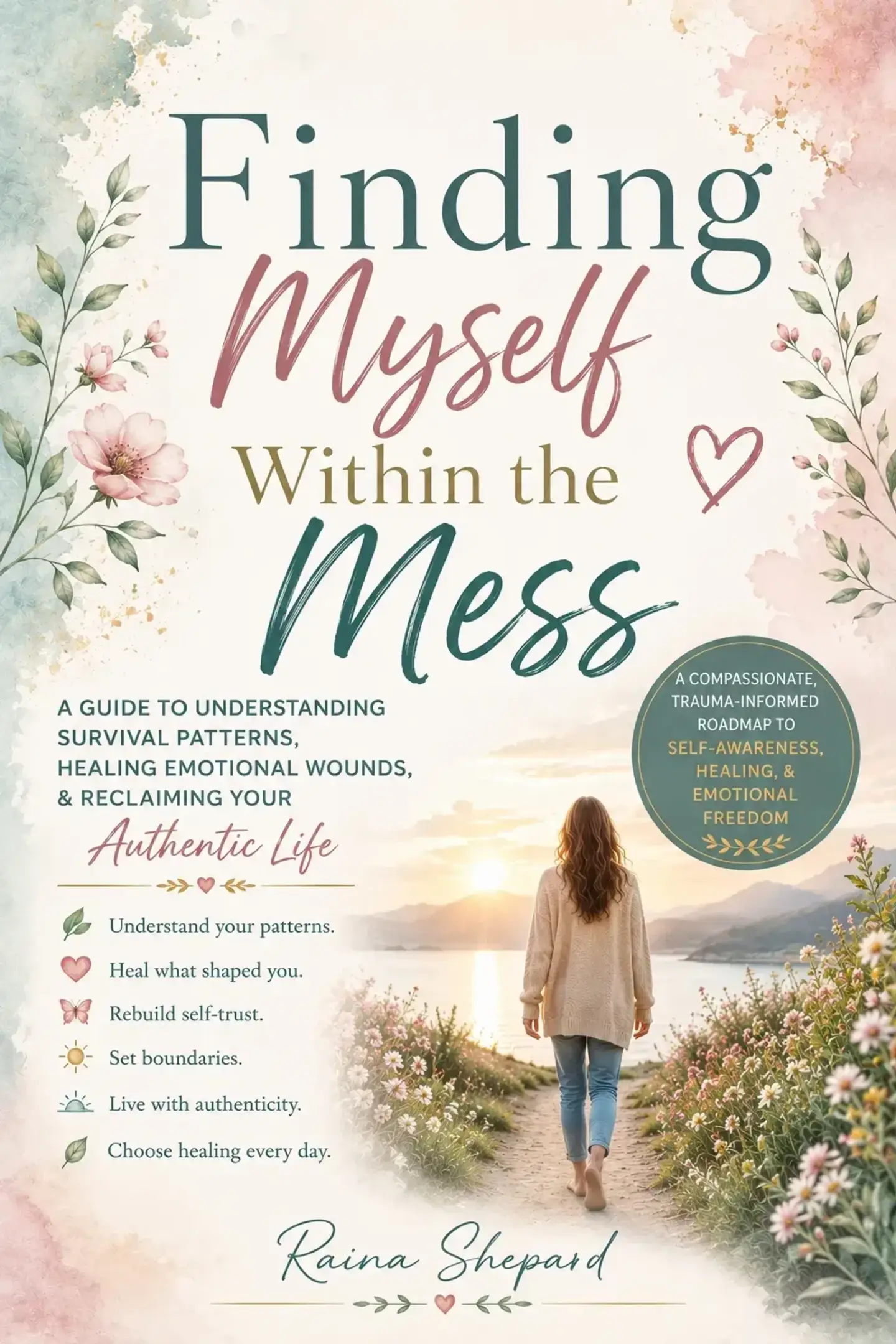
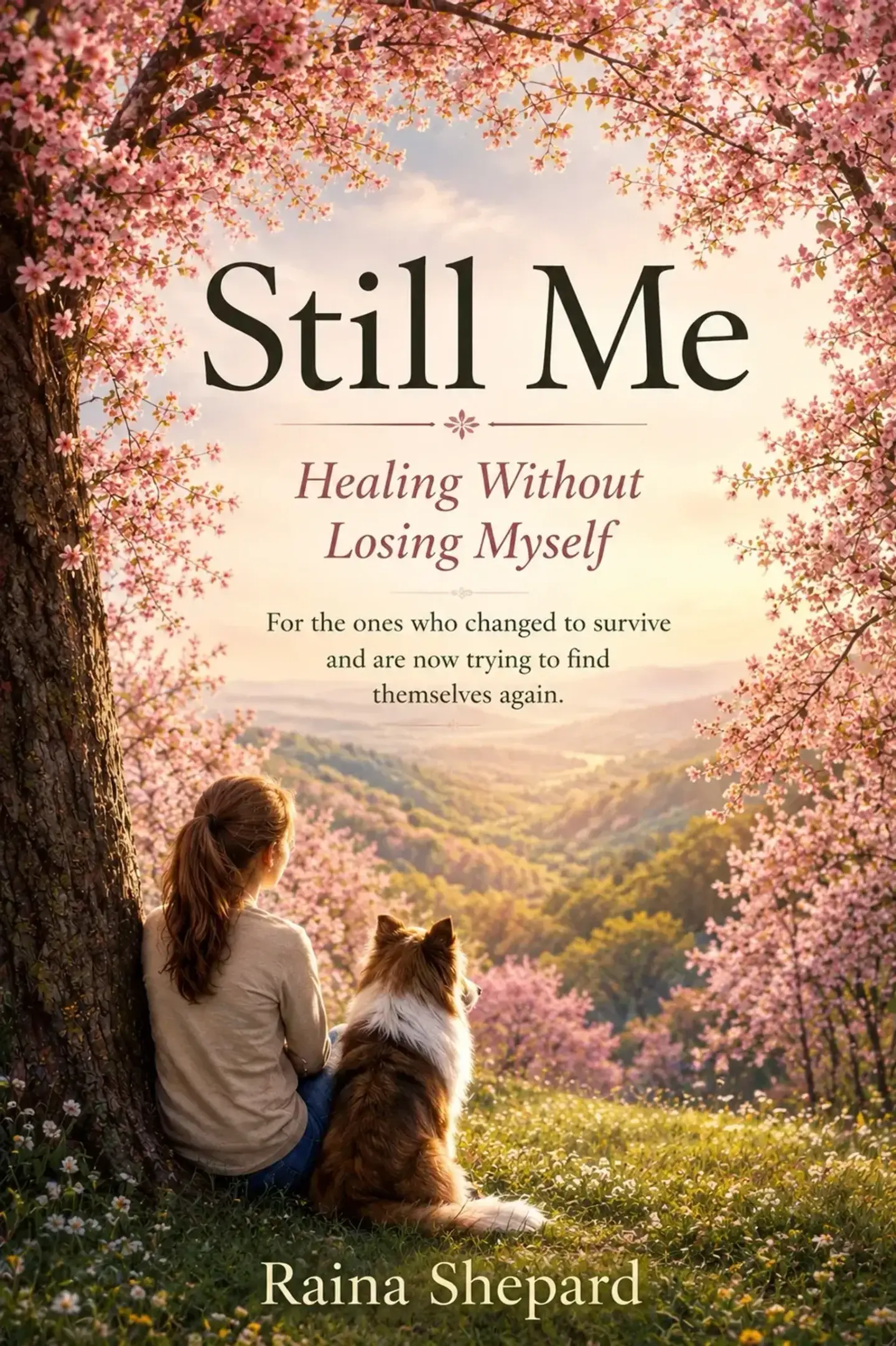
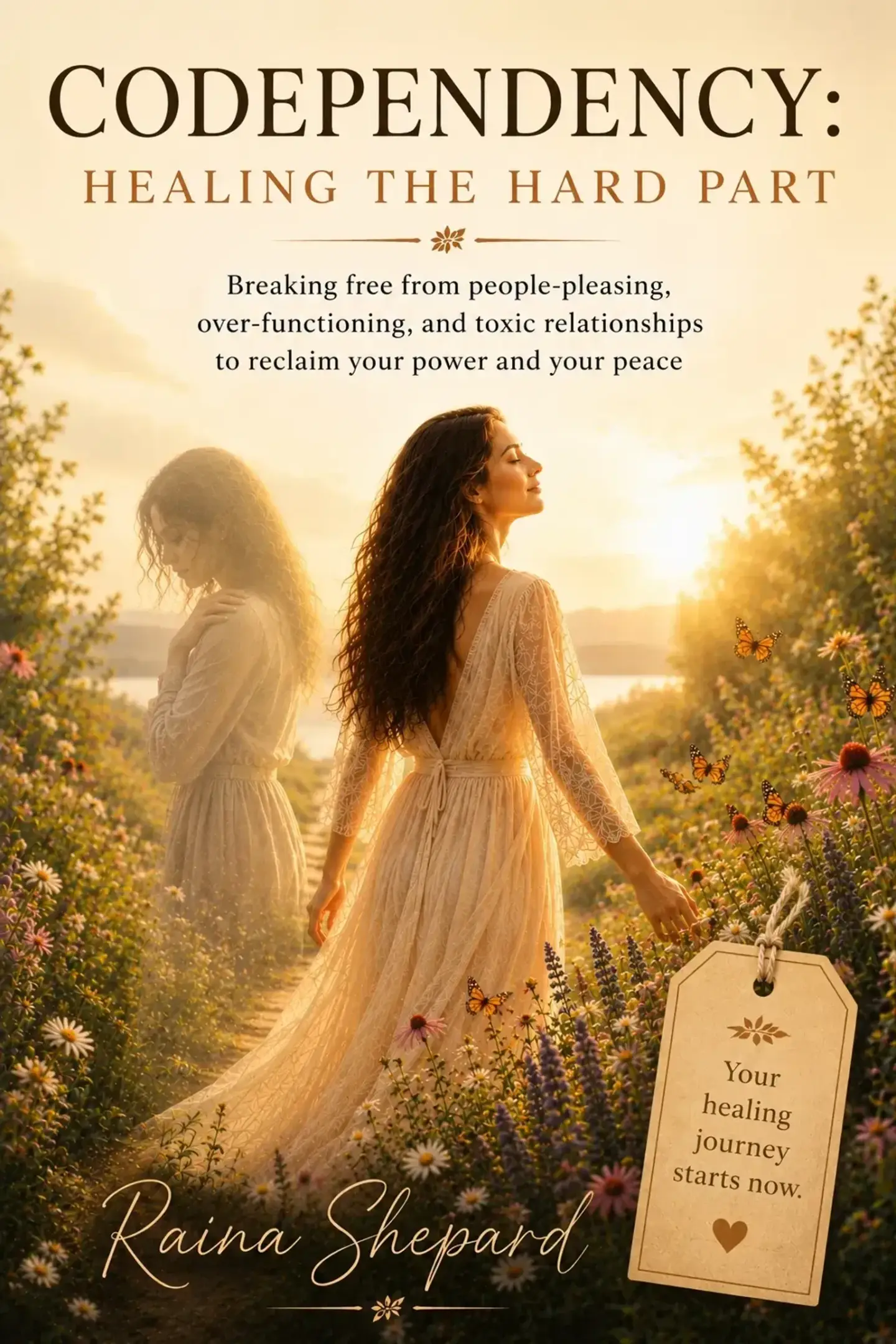
Raina Shepard’s spiritual and self-help series explores these tender questions through psychology, emotional healing, spiritual insight, and compassionate self-reflection. Titles such as Finding Myself Within the Mess, Still Me: Healing Without Losing Myself, Codependency: Healing the Hard Part, and Breaking the Dark speak to readers who are trying to understand their survival patterns without reducing themselves to those patterns.
Her emotionally deep novels approach trauma through story, too. Sometimes a character’s survival, grief, identity, or transformation reaches a place that direct advice cannot. You may see your own hidden questions in a fictional life: How do I come home to myself? What remains after the relationship ends? Can I become someone I recognize?
Stories can be companions. They cannot replace therapy or crisis support, but they can help you feel witnessed as you take the next step.
You Do Not Have to Heal All at Once
You may still have difficult seasons.
You may repeat a pattern you thought you had outgrown. You may miss someone who was harmful. You may feel grief for the childhood, relationship, or version of yourself you never received.
None of this cancels your progress.
Healing is not measured by never feeling afraid again. It may look like noticing fear sooner, choosing a pause, asking for help, or returning to yourself after you have gone quiet. It may look like making one decision without consulting the imagined reactions of everyone around you.
That is still reclamation.
If you are experiencing severe dissociation, self-harm urges, suicidal thoughts, or symptoms that make daily life unsafe, please seek professional support. In the United States, call or text 988 for the Suicide & Crisis Lifeline, or contact local emergency services if you are in immediate danger.
And if you are searching for breaking unhealthy patterns books, choose resources that honor your humanity rather than blaming you for the ways you learned to survive. Look for gentleness, accountability, emotional depth, and room for choice.
You are not behind.
You are not empty because you are still discovering yourself. You are standing in the quiet, difficult space between survival and self-trust, where identity is not found like a lost object but rebuilt through attention, boundaries, values, and compassionate presence.
The old patterns may still speak.
However, they are no longer the whole story.