June 24, 2026
How to Choose the Best Children’s Books About Emotions (Compared)
You have likely heard the common wisdom that children’s books about emotions are essentially "instruction manuals": tools we pull off the shelf only when a tantrum strikes or a…
You have likely heard the common wisdom that children’s books about emotions are essentially "instruction manuals": tools we pull off the page only when a tantrum strikes or a friendship fractures. We often treat these stories as emergency medicine, a quick fix for a sudden fever of feelings. But this is a hollow way to look at the rich landscape of a child's inner world. Healing and emotional growth aren't just about crisis management; they are about the quiet, steady cultivation of a soul that knows how to hold both joy and sorrow without breaking.
Choosing the right book for your child is less about finding a solution and more about finding a companion. It is about selecting words and images that mirror the sharp ache of loneliness, the frantic pulse of anxiety, or the warm, steady hum of belonging. When you sit down to choose, you aren't just buying a book; you are building a bridge between their silent internal experiences and the language they need to navigate them.
The Anatomy of an Emotionally Resonant Story
A truly helpful book does more than just tell a child that "it’s okay to be sad." It gives that sadness a shape, a weight, and a name. When you are browsing, look for stories that embrace the nuance of emotional transitions: the messy middle ground where a child is neither "fixed" nor "broken," but simply becoming.
- Specificity in Language: Avoid books that stay vague, using broad terms like "feeling bad" or "being good." You want stories that name the specifics: frustration, jealousy, anticipation, and grief.
- Physical Awareness: Emotions aren't just in the head; they are in the body. The best books describe the clenched fists of anger, the hollow chest of sadness, and the light, fluttering stomach of excitement.
- Validation without Immediacy: Be wary of stories that offer a "quick fix" on the final page. A story that respects the child’s experience will allow the emotion to exist, to be felt, and then to slowly transform, rather than simply snapping its fingers to make it disappear.
Comparing the "Gentle Realism" of Ellie the Elephant
For many parents, the search begins with a need for gentleness. You want a story that feels like a soft blanket on a cold night. This is where the Ellie the Elephant series excels.
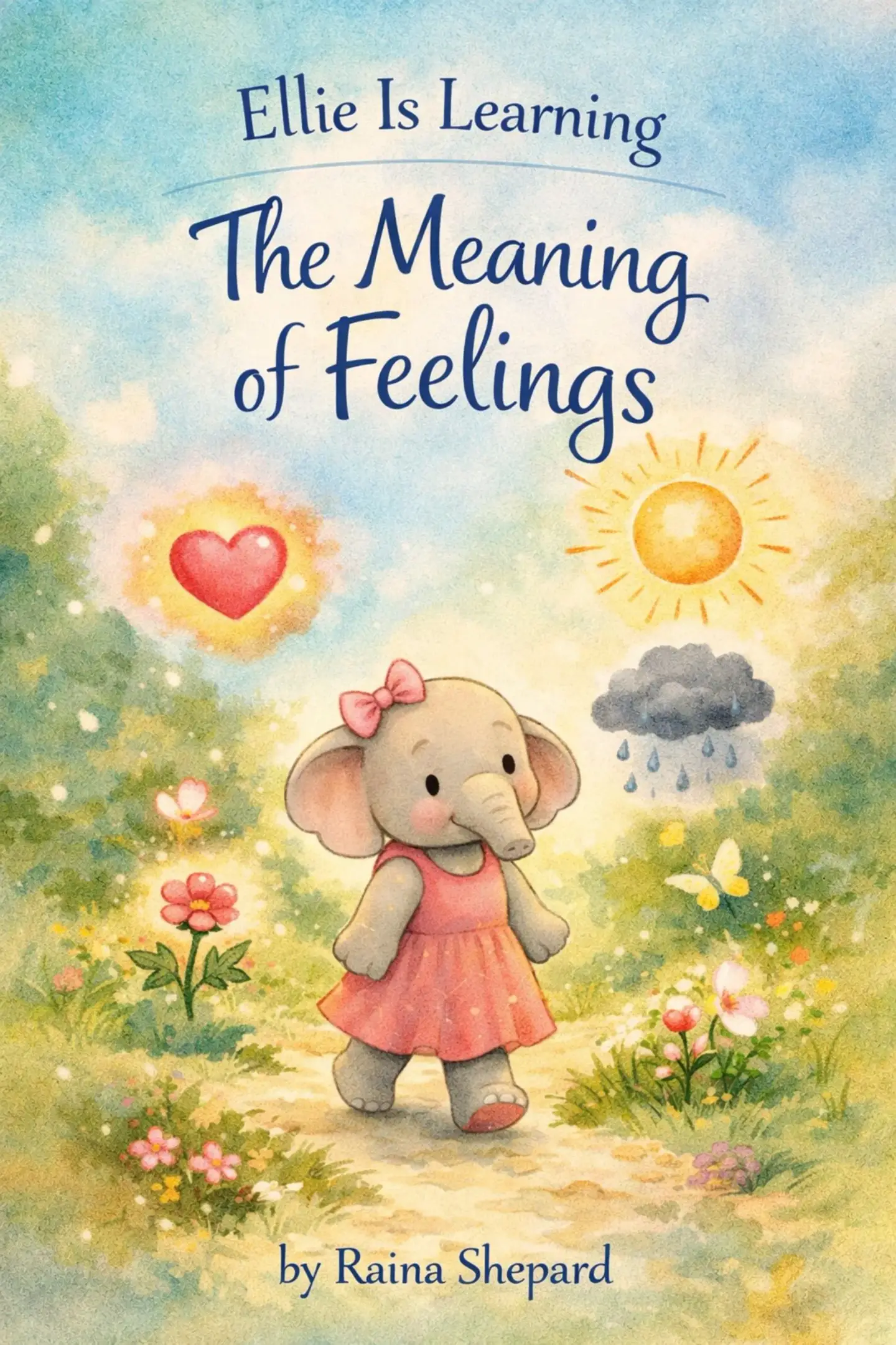
In books like Ellie Is Learning The Meaning of Feelings, the focus is on the steady work of self-discovery. These stories utilize a rhythmic pacing, alternating between the quiet observation of a feeling and the small, tactile steps taken to understand it. You see Ellie navigate the everyday complexities of self-worth and identity.
If you are looking for a book to help a child understand their "growing self," you want something that treats their development with reverence. These books don't talk down to children; they walk beside them through the "seasons" of their growth. This is a vital distinction. Many books on the market feel like lectures, but Ellie feels like a friend who is figuring it out at the same pace as your child.
The Enchanted Path: Fairy Glitterwhisp and Empathy
Sometimes, a child needs a bit of distance from their reality to truly see it. This is the power of magical realism. While the Ellie series offers a grounded, relatable anchor, the Fairy Glitterwhisp series takes a different, more ethereal approach to emotional intelligence.
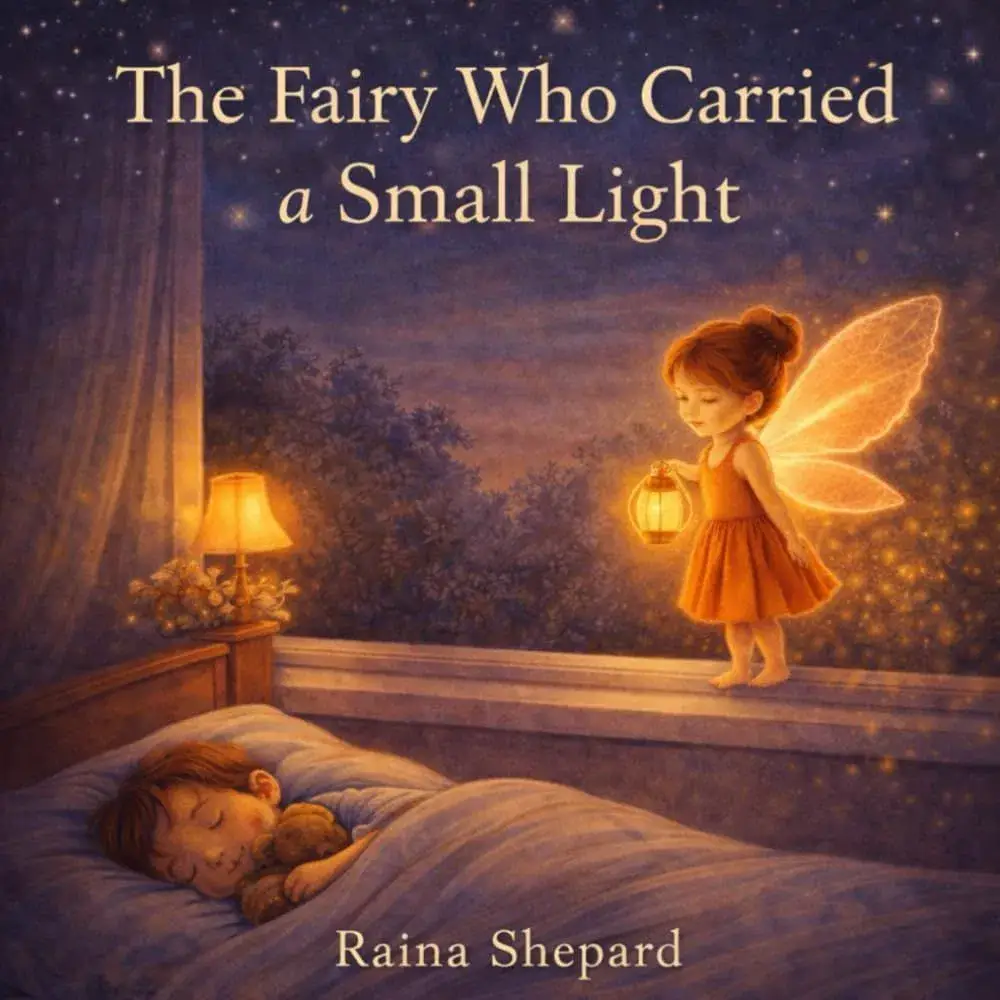
In the Land of Feelingwood, emotions are woven into the very fabric of the world. This series is designed for children who respond to wonder, kindness, and the mystical. It teaches empathy not by explaining it, but by immersing the reader in a narrative of connection.
When you compare these two styles: the gentle realism of Ellie and the magical empathy of Fairy Glitterwhisp: you aren't choosing which is "better." You are choosing which "doorway" your child is currently most likely to walk through. Some children need the direct mirror of a character like Ellie, while others need the shimmering light of a fairy to guide them toward a difficult truth.
Navigating the Hardest Seasons: Grief and Change
There are moments when the emotions we are trying to help our children navigate aren't just "big": they are life-altering. In these seasons of survival and trauma, the books we choose must be handled with extraordinary care.
A common cliché is that a child's book about divorce or loss must end with everyone smiling in a new house. But healing is rarely that linear. It is a process of vigilance, explanation, and constant adjustment.
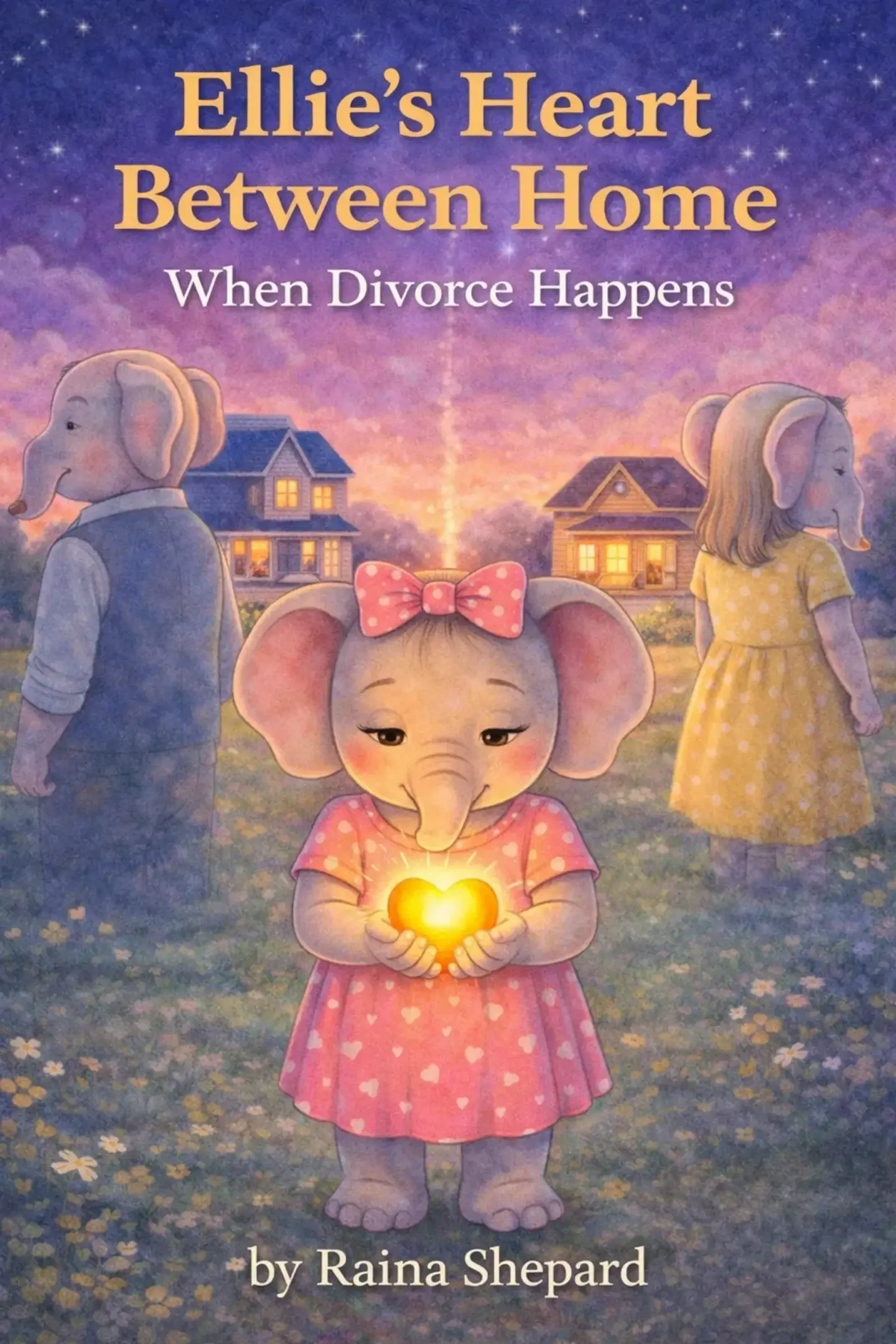
Books like Ellie’s Heart Between Home tackle these transitions with a somber but hopeful vocabulary. They acknowledge the ache of a divided heart without trying to "solve" the situation. When choosing books for these heavy moments, look for stories that provide a sense of presence rather than a solution. Your child doesn't need to be told that everything will be perfect; they need to be told that they are safe in the middle of the mess.
How to Move Beyond the Page
The book is only the beginning. The real magic: the actual, tangible healing: happens in the space between you and your child as you read together.
As a "gentle companion" in your child’s journey, try these approaches:
- Pause and Presence: Don't rush to the end. If a page strikes a chord, linger there. Ask, "Where do you think Ellie feels that in her body?"
- Identify the "Middle": Discuss the moments where characters are still struggling. This validates that healing isn't a destination, but a way of traveling.
- Create Your Own Rituals: Perhaps you use a "healing toolkit" like The Four Critters of Feelings to bridge the story and real life.
A Lingering Truth
We often think of these books as things we give to children to help them grow up. But the truth is, when we read these stories with them, we are often tending to our own "wounded and searching" inner child as well. In the quiet, steady rhythm of a well-told story, there is room for both of you to find a piece of yourself that was waiting to be seen.
Choosing the right book is an act of love: a promise that you will stay with them in the shadows until the light begins to feel familiar again. However, remember that the book is just the map; you are the one holding the lantern.