June 30, 2026
Create Unforgettable Lessons in Empathy with These 5 Gentle Storytelling Tips
You have likely been told that teaching empathy is a matter of instruction: a series of "how would you feel?" questions designed to elicit a predictable, polite response. We treat…

You have likely been told that teaching empathy is a matter of instruction: a series of "how would you feel?" questions designed to elicit a predictable, polite response. We treat empathy like a school subject, something to be memorized, practiced, and eventually mastered. But empathy is not a set of facts; it is a resonance. It is the quiet, often aching vibration of one heart recognizing itself in another.
When you sit down to read with a child, you aren’t just passing time or checking a literacy box. You are opening a portal. Yet, so often, the magic of that portal is dampened by our desire to "teach." We turn a soulful story into a quiz, and in doing so, we accidentally pull the child out of the very emotional immersion where empathy lives.
To truly cultivate compassion, we must move beyond the clinical and into the visceral. We must stop asking for the "right" answer and start making space for the "felt" experience. Here are five gentle ways to transform your storytelling into a sanctuary for emotional growth.
1. Move from "Teaching" to "Witnessing"
There is a common misconception that children need us to explain a story's moral for them to "get" it. We worry that if we don't point out why the character was wrong or what they should have done, the lesson will be lost.
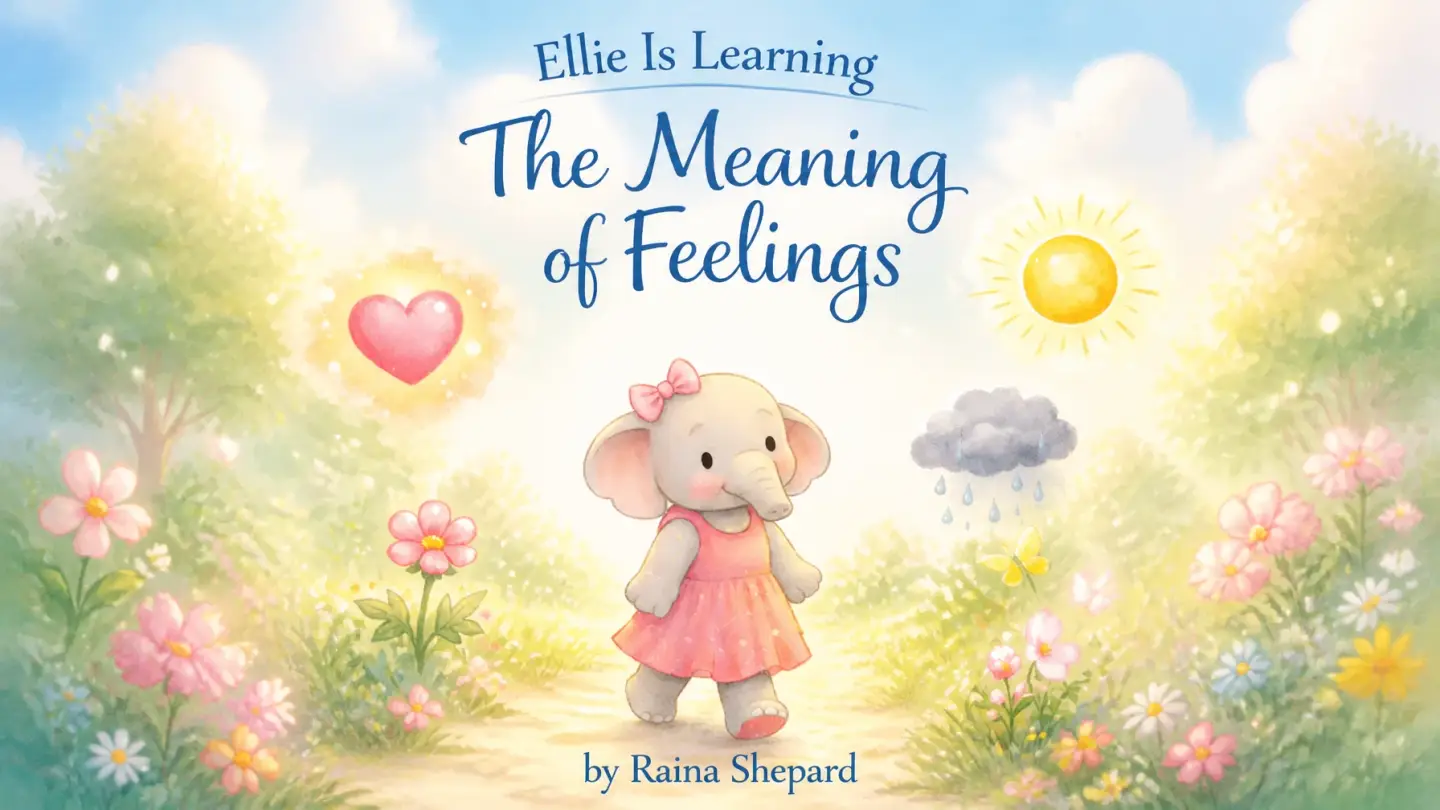
In reality, the most profound lessons in empathy happen when you simply witness the character’s journey alongside your child. When you read a book like Ellie Is Learning The Meaning of Feelings, you don’t need to lecture about what a "red heart" or a "grey cloud" means. You only need to notice them.
Instead of saying, "See? Ellie is sad because her friend left," try saying, "I see the grey cloud over Ellie right now. It looks heavy, doesn't it?" This small shift moves the focus from a logical explanation to a shared observation. You are becoming a gentle companion in their discovery, rather than an authority figure demanding a result. Empathy grows in the silence between the words, in the moments where you allow your child to simply be with the character's struggle.
2. Honor the "Sacred Pause"
We often rush through stories, frantic to reach the resolution where everything is "fixed" and everyone is happy again. We do this because emotional tension is uncomfortable. It feels sharp, frantic, or even a bit scary to see a character we love in distress. But when we hurry past the pain, we teach children that difficult emotions are things to be escaped rather than understood.
To build true empathy, you must learn to linger in the "middle ground": that uncomfortable space where the character is still searching, still hurting, or still confused.
Next time you encounter a moment of emotional weight, stop. Don't turn the page. Notice the physical details of the character's environment. Is the forest dark? Is the air cold? Use sensory adjectives to describe the internal state. "The air around the character feels tight and breathless," you might say. By giving words to the atmospheric depth of their pain, you make it tangible. You give your child permission to sit in the tension of someone else’s experience without the immediate need for a "quick fix."
3. Invite the "Shadow" Characters In
It is easy to feel empathy for the protagonist: the hero who is kind, brave, and misunderstood. It is much harder, and much more necessary, to find empathy for the "unlikable" characters: the bully, the grumpy neighbor, or the one who makes a mistake that hurts others.
We often categorize characters into "good" and "bad," but this binary kills curiosity. Empathy requires us to look at the "shadow" and ask why it’s there. In the Fairy Glitterwhisp series, children encounter a world where feelings aren't just labels: they are landscapes.
When a character acts out, try asking: "What do you think is happening inside them that makes them want to be so loud and sharp?" This invites your child to look past the behavior and see the woundedness beneath. Empathy isn't about excusing bad behavior; it's about understanding the internal storm that causes it. It’s about recognizing that often, the people who are the hardest to love are the ones who need it most.

4. Practice Somatic Storytelling
Empathy is a full-body experience. It isn't just something we think; it's something we feel in our chests, our bellies, and our breath. For a child, the bridge between a story and their own heart is often built through play and movement.
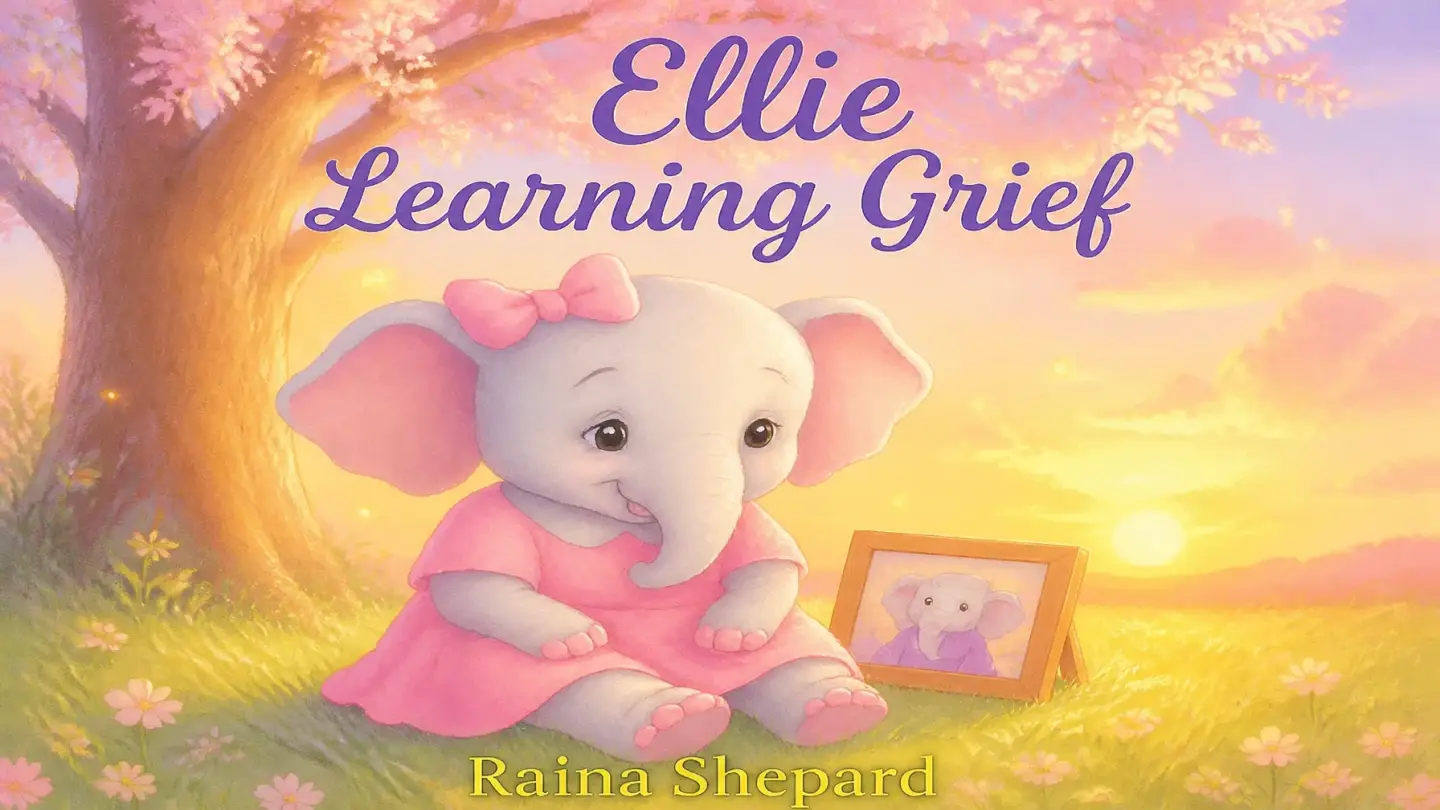
I call this "somatic storytelling." It involves bringing the character’s emotional state into the child’s physical body. If a character is grieving, as they do in Ellie Learning Grief, don’t just talk about the sadness.
Ask your child:
- "If you had a heavy heart like Ellie’s, how would your shoulders feel?"
- "Can you walk like you’re carrying a big, heavy backpack of memories?"
- "What does it feel like when you take a deep, slow breath into that heaviness?"
When a child embodies a character’s movements, they aren't just imagining empathy; they are physically experiencing it. This somatic connection anchors the lesson in their nervous system. They learn that vigilance, explanation, and constant adjustment are parts of the healing journey. By moving through the story, they learn that emotions are seasons: they arrive, they stay for a while, and eventually, they shift.

5. Build the Bridge to Real Life
The ultimate goal of storytelling is to create a bridge between the pages of a book and the messy, unpredictable world your child inhabits. However, this bridge shouldn't be a lecture. It should be a soft invitation to notice the similarities between the story's world and their own.
You might share a moment from your own life where you felt the same "aching" loneliness a character is experiencing. Use "I" statements sparingly but effectively: "I remember a time when I felt like I was standing in a crowded room but felt completely invisible, just like the character in this chapter." This vulnerability builds trust. It shows your child that you are a fellow traveler on the road of emotional growth, not a distant expert.
When you see your child facing a real-life struggle: a fight with a friend or a moment of self-doubt: you can gently reference the characters they’ve grown to love. "Remember when Ellie and the Whispering Woods felt that fluttery feeling in her stomach? Is your tummy feeling a bit like that right now?" This creates a shared vocabulary that makes their own big emotions feel less overwhelming and more "seen."
Storytelling is a quiet act of revolution. In a world that often demands we be harder, faster, and more certain, choosing to sit in the soft, glowing light of a story is an act of defiance. It is a commitment to the "wounded and the searching," both in our children and in ourselves.
As you close the book tonight, remember that the goal isn't to have a child who can perfectly define empathy. The goal is to have a child who, when they see someone else struggling, feels a familiar resonance in their own chest: and chooses to stay. Healing is not a destination we reach; it is a presence we offer to one another.
May your stories be the gentle companions your children need as they navigate the beautiful, complex seasons of their own hearts.